Holiday

CNV00025

Girl and calf at Owletts Hall Farm, mid 1960s

My Aunt Mary and Uncle Alfred “retired” from farming at Owletts Hall Farm at Lynn, near Shenstone in the late 1960’s, to the beautiful Llyn Peninsula in North Wales.  Taking on a small hill farm, with an ancient stone farmhouse at its centre, they seemed to be busier than ever.  Uncle Alfred soon built up a herd of the hardy Welsh Black cattle, and still kept a Jersey to milk by hand for the house.  Aunt Mary ran a thriving business offering bed, breakfast, and evening meals to visitors to the area.  We missed having my dad’s favourite sister nearby: We missed Sunday teas, and family gossip, and games of cards in the evening.  I particularly missed the farmyard at the Owletts, and the orchard, and the animals.

CNV00013

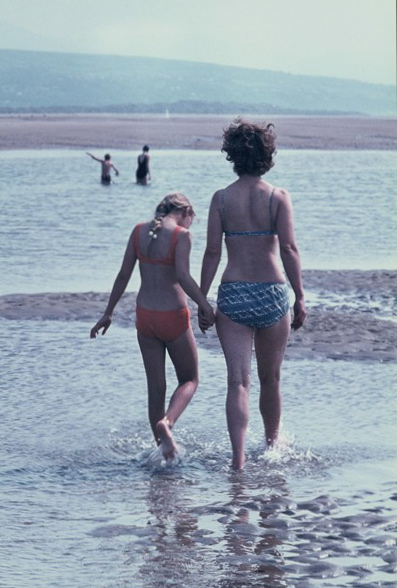
His wife and daughter in North Wales c. 1970

But there were compensations, too.

I’m sure that we would have made visits to Mary and Alf wherever the winds of fate had blown them, but how fortunate for us, that when they began their new life in Gwynedd,  we could now spend blissful summer weeks in the beautiful mountains, with gorgeous sandy bays near to hand in all directions.

As a self-employed tradesman, my dad was only willing to tear one week from his diary in summer.  He charged unambitious hourly rates for his highly skilled work, and so there were financial considerations.  Also, disgruntled customers might grimace at the thought of a more than a week’s delay to the construction of their extension or stone fireplace.

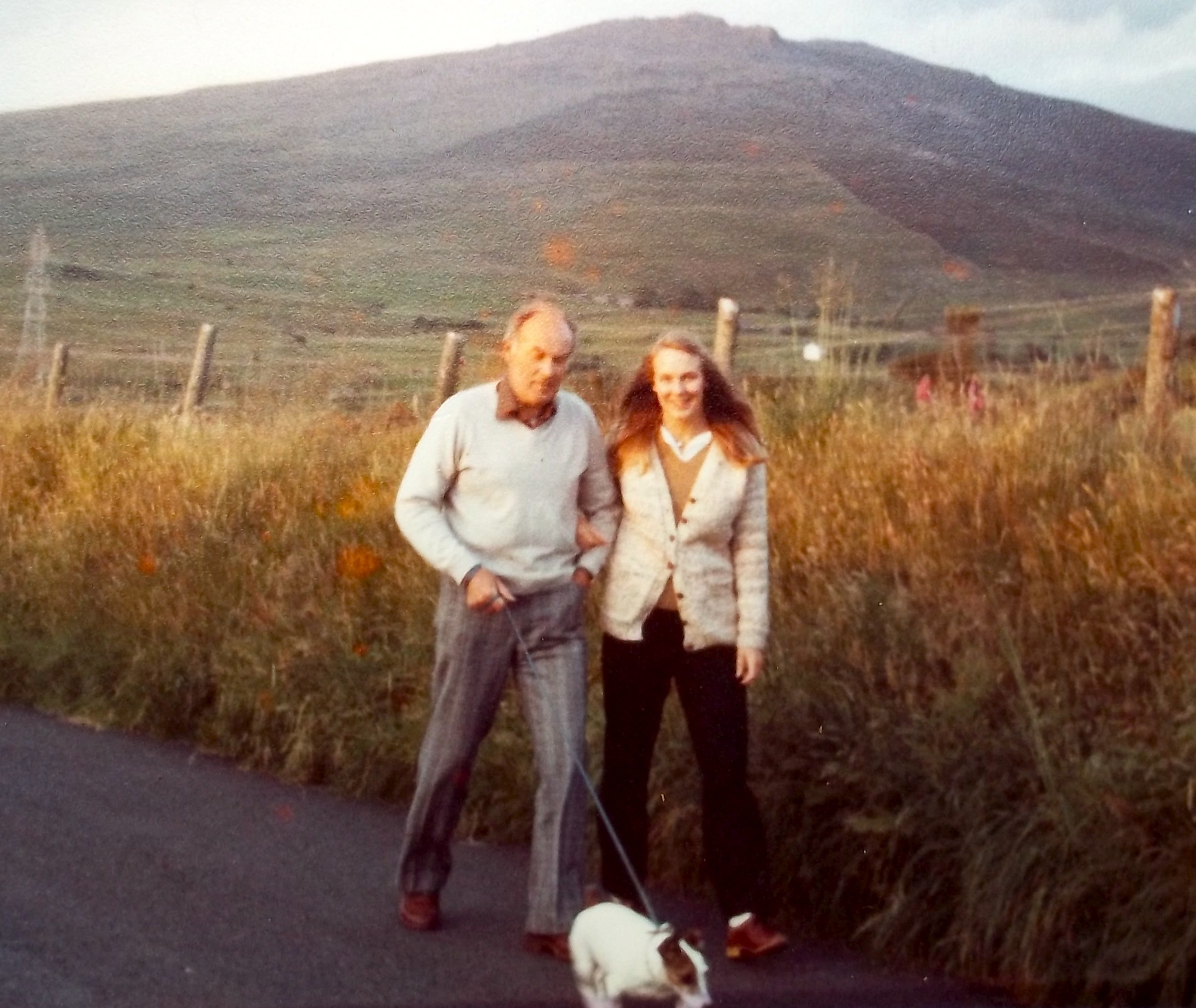
A golden evening walking home under Craig Goch. Me and my dad in the 80's.

A golden evening walking home under Craig Goch.
My dad and his daughter c.1980

For 51 weeks of the year their needs came first, but now, on a bit of a busman’s holiday, my dad helped me to turret and battlement some magnificent edifices in sand instead of brick. We might spend afternoons evicting unhappy creatures from Criccieth’s rock pools to examine them, or trying our luck fishing for bass from the shore at low tide. Such days would still, now, be ample manna to feed a whole nights’ pleasant dreams. The days remain duller without him these past six years, but behind my shut lids the sea is bright and blue and the sand is golden, and the fleece speckled fields are green. The Welsh farm is still there, and is little altered. The little crackling thrill to walk this very summer where we walked together arcs straight to the core of me and has an astringent effect on my lumpen middle aged heart.

After over 40 years, I remain of the opinion that novelty is an overrated quality in vacations, and should season them sufficiently to provide interest, but not to provoke an alarming dislocation from everyday life.  If you are able to pay for a short interlude of “perfect days” that are tropically alien to those you normally endure, then I might argue that something fundamental needs to change.

A small, and manageably stimulating adventure.  That’s my summer poison.  Does that make me a true introvert or a risk-averse coward? I’m still so easily pleased  – by ticking off a list of dolmens, reached over anonymous, rutted Welsh fields – or pondering on medieval battles of which no visible trace remains.  Just glimpsing Cardigan Bay has remained an enduring thrill. Do you ever tire of looking into the eyes of a loved one?

An anxious child, awestruck by its beauty, but secure among my extended family, I saw Gwynedd in 1969 and fell in love at first sight.

Me, and Mom, and Dad were able to view the fresh remnants of colonial pomp in Caernarfon Castle following Prince Charles’ investiture that summer.  As the sun began to melt behind Holyhead, we bounced happily to what truly felt like home-from-home up the steep lane winding around Bwlch Derwin in the Ford van (me on a customised bench-seat in the back, peering forward from my windowless perch for a view of the fading ruddy glow.)

Reassuringly, the antique furniture, the china and the curios, were still ranged about a farmhouse kitchen (albeit of smaller dimensions) just as they had been at the Owletts.   A much more vast, inglenook fireplace was now home to the horse brasses – some of them the very ones which had swung and shone on the flanks of the heavy horses used on the Coopers’ Staffordshire farm in the early 20th century. Mary’s books about Staffordshire’s history were still on their shelves. Outside, there were still animals to be interested in: the Welsh Blacks, the sheep, the ducks and chickens. A biddable sheepdog and a traditional surfeit of cats.

More intimately than in the large milking parlour in Staffordshire, I could stand quietly, taking in the sweet smell of cow cake and disinfectant, and the rhythmical hissing noise of Uncle Alfred stripping the milk from “Jersey” into a foaming bucket.  What delight –  when the warm top layer of goodness was transferred into the old fashioned butter churn, and, cheered on like a panting athlete by Aunt Mary as I turned the rattling handle, I could cause globs of golden curds to form out of the liquid.

The final stanza of “Fern Hill” by Dylan Thomas.

Nothing I cared, in the lamb white days, that time would take me

Up to the swallow thronged loft by the shadow of my hand,

In the moon that is always rising,

Nor that riding to sleep

I should hear him fly with the high fields

And wake to the farm forever fled from the childless land.

Oh as I was young and easy in the mercy of his means,

Time held me green and dying

Though I sang in my chains like the sea.

Posted in Uncategorized | 3 Comments

Other peoples houses…

100_5763

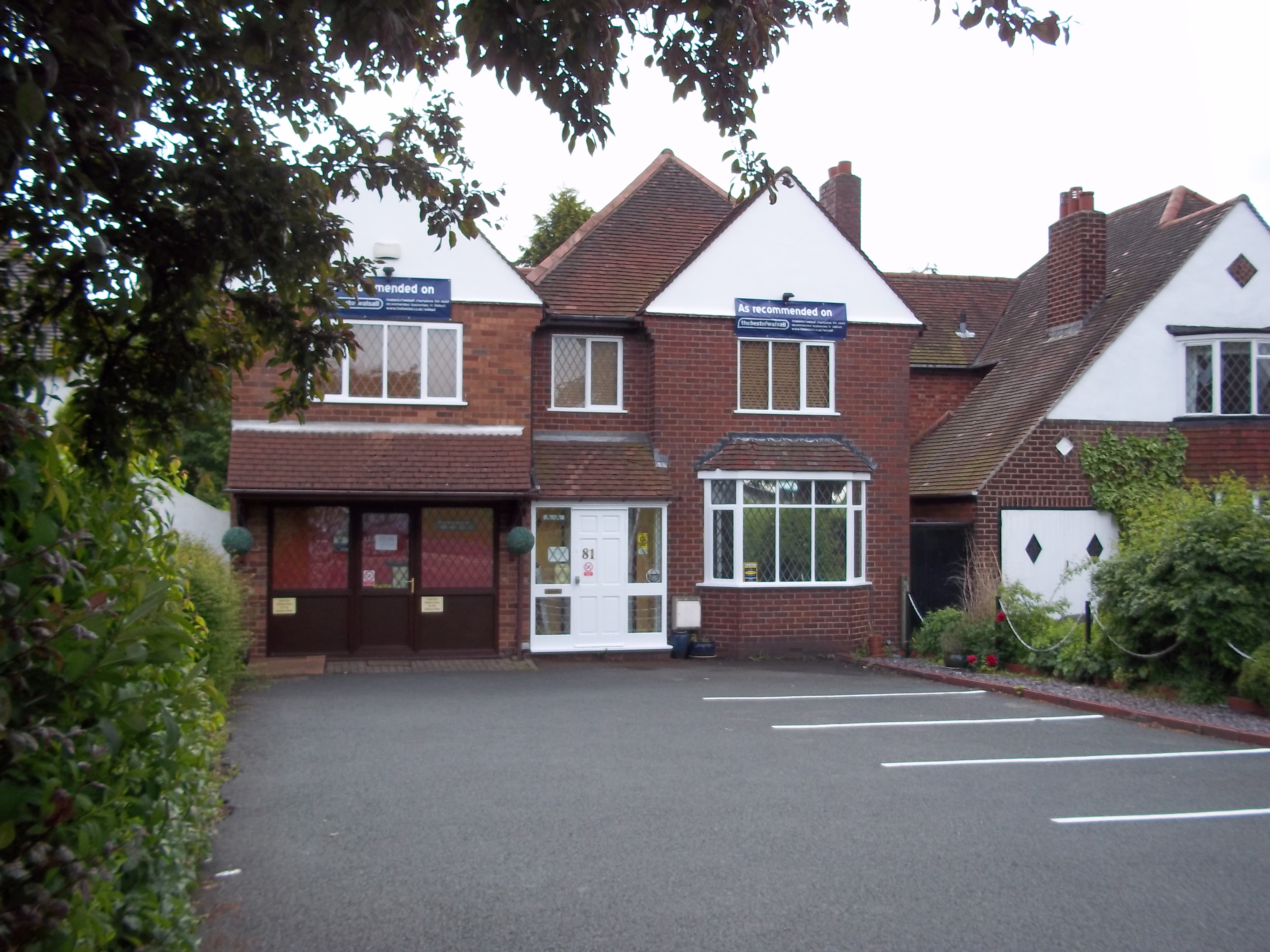
“Wallingfen”; 81, Broadway, is now the Walsall Chiropractic Clinic.
The house next door retains the original style that is now obscured on number 81.

The post-war housing shortage was a bit of a Curate’s Egg for my mom and dad. It was easy then for any chap to find work in the building industry, and my dad, with a bricklaying apprenticeship under his belt, served at J.R. Deacon and co in Lichfield before his military service in the Welsh Guards,  was soon in demand as general foreman on some biggish jobs. On the other hand, in 1948, this young married couple, like many others, didn’t have anywhere to live. Mom’s parents didn’t like the idea of them paying out for a couple of poky rooms in a house near the Walsall Arboretum, and so they lived with the family in their 1930s council house in Bentley for the first couple of years, escaping, for recreation, to the farm run by my dad’s sister and brother in law in Shenstone most weekends.

Then Mom heard that a friend of a friend was looking for a “nice” couple to share her house in Broadway North with her.  Landlords could be the choosers then. What would be the ideal tenants? A childless couple,  both with good jobs, the wife neat, house-proud, and (according to Sister Magdalena’s letter of recommendation when she left school) refined and ladylike?

100_6026

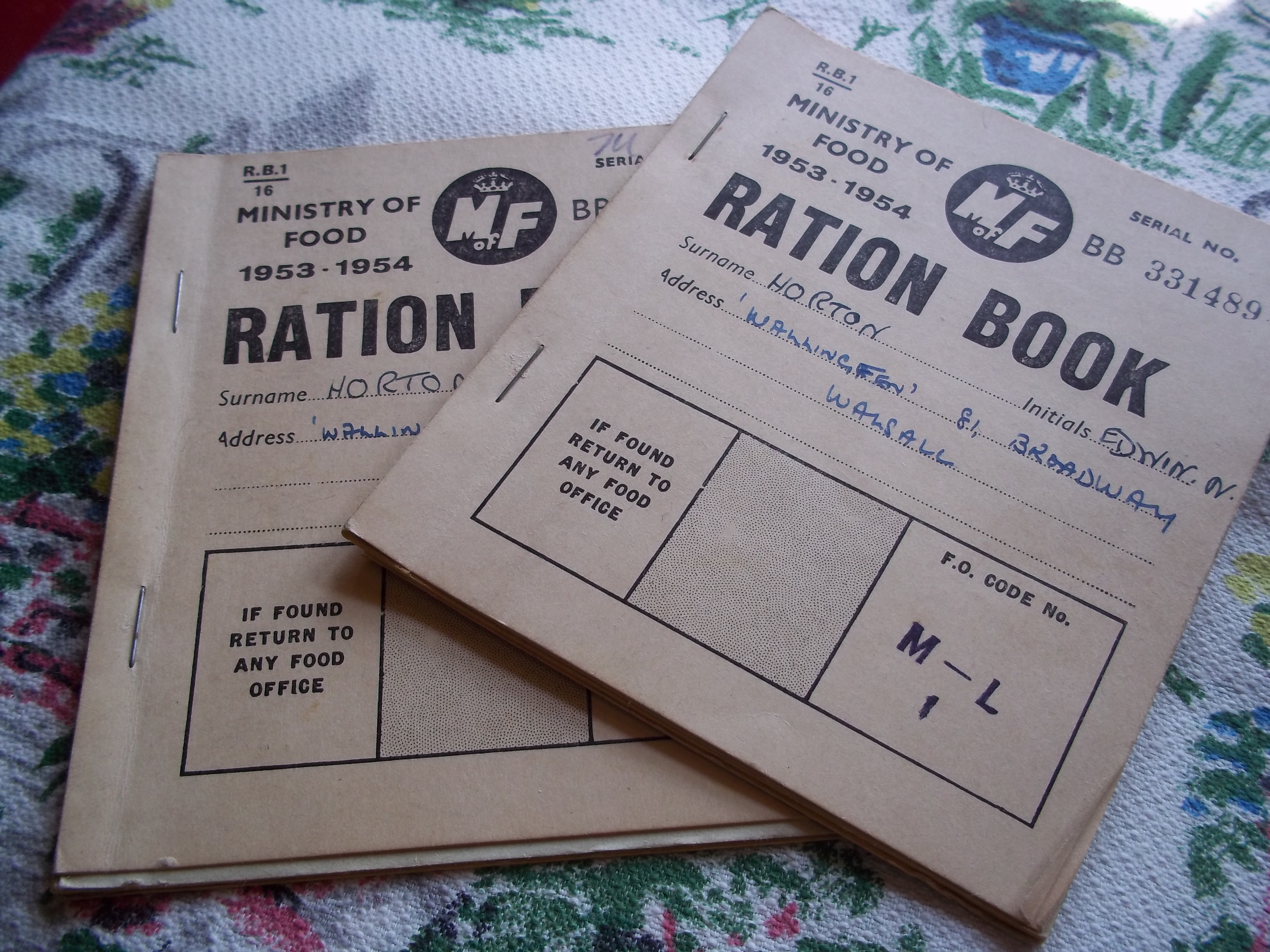
Their last ration books – while they were living with Mrs Lee in “Wallingfen”

Mrs Hilda Lee found herself living alone at 81 Broadway after selling her late father’s grocery business in Walsall.  The family had moved to the Midlands from the East Riding of Yorkshire.  Mr Lee, whoever he was, had been a feckless type and the marriage had not lasted very long.  To all intents and purposes Mrs Lee styled herself as a widow. She was an independent minded woman, and had enjoyed a good career at the Tax Office.

100_5904

Mom prepares to climb on her bicycle in front of “Wallingfen” in the very early 50’s

Number 81 was one of an impressive development of detached, faintly Tudorbethan family homes which had been built during the wars when the new “Broadway” had been cut through the previously rural community of Maw Green, forming a ring road on the east side of Walsall.  Mrs Lee had called the house “Wallingfen” after her Yorkshire place of birth. My parent’s several years there, despite rationing and general austerity, have always sounded to have been very happy ones to me.  The spacious house, of which they had sole use of one bedroom and one living room, boasted an upstairs bathroom, carpets, and a secluded rear garden. The cinema on Caldmore Green was a short stroll away for weekday evening entertainment, and at week-ends they could set off on their bicycles to enjoy picnics, fishing trips, archery, or visits to the family.  Or on their tandem.  Which my dad also used to get to work – with a comical empty rear saddle.

As a very poverty stricken new graduate, one of my homes was, incongruously  in the hideously affluent Surrey stockbroker belt, where I shared a single room with my boyfriend,  and, in turn, we shared the house with another four people: two builders who said they weren’t gay and a Dutch couple. “Weycroft”, near Byfleet, belonged to the Ambassador of Somewhere, who evidently didn’t need it, and it struck me as the sort of house that the protagonists of an Enid Blyton story would live in.  The huge old fashioned kitchen was crying out for a bosomy “Cook” with a West Country burr who “did” for The Family, and there was a good acre of pergola and rock garden rich Home Counties garden. You could walk to a little lake, ruffled with water-lilies, where an abandoned punt swayed on a rope, begging questions about the fate of its last owner. The whole sepia tinted effect was ruined when a digger turned up entrench for new houses in the beautiful garden, only yards from the back door. Still –  my modest share of the rent was fair exchange for the opportunity of living in a house like that for a while.

If you want a really good story about the window on another world afforded by renting a little bit of a big house, I am going to refer you to my cousin Ros – whose experiences on the subject were going to be a short aside within this piece, but, encompassing as they do a unique, evocative and occasionally hilarious description of a Staffordshire Stately Home –  then in decline and now gone forever, have grown and grown into a real, live guest blog post!
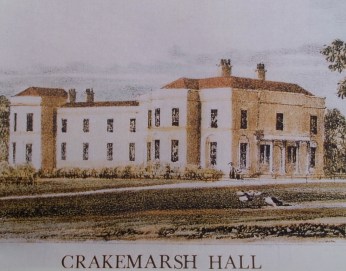
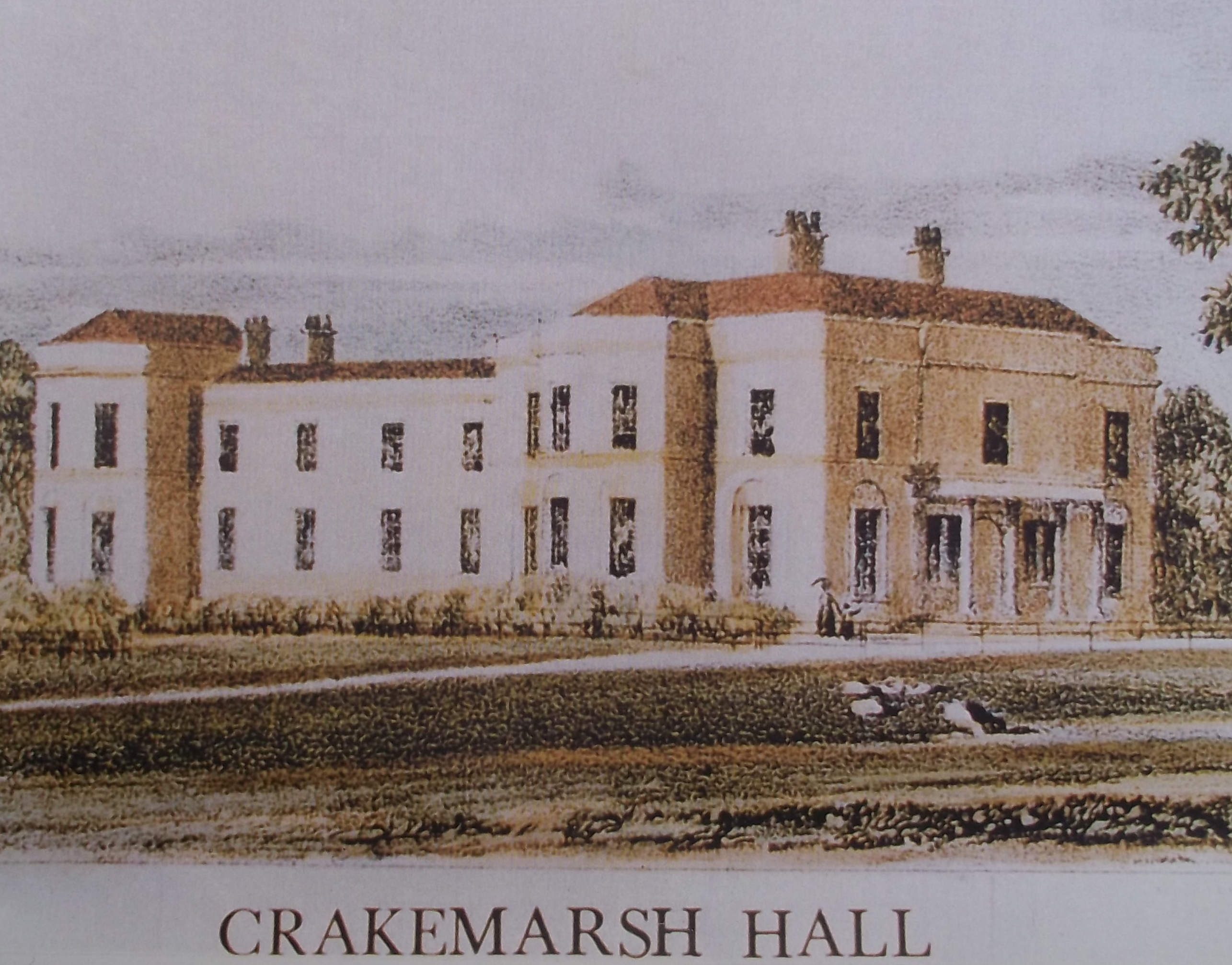
Me and Crakemarsh Hall 

by Rosalind Cooper

100_6256I loved living in Crakemarsh Hall. I couldn’t believe my luck when I moved to Staffs Moorlands from the South of the County and found there was a flat vacant in this once wondrous Georgian Mansion. Okay, it was a bit basic. It was around 1966 so the bluey grey enamelled brute of a cooker on stout little legs was only about 30 years old, and the kitchen in which it stood was part of one of the many corridors. The draining board was wooden and a bit seedy, but there was room for a fridge and there was a bit of worktop.

 When I got the key from Bagshaws and went with Mum to view I fell instantly in love. I have long had an interest in history, so the opportunity of being a tiny part of this once prosperous estate was not to be missed.

 Turning off the Uttoxeter/Rocester road we passed a dainty little chocolate box gatehouse and drove a short distance beside iron park railings and past a grove of yew trees which lowered in front of the stable block, its clock stopped long since.

 Tyres crunching we swung round to the side of the house, there was a tantalising glimpse of the front with its pillared portico, but we needed the side entrance, up several stone steps between rendered balustrades showing some of the bricks beneath the crumbling rendering. The sound of the opening door crashed cavernously in the echoing reaches of the servants entrance hall, our footsteps reverberated in the emptiness as we crossed to the next door, pausing to push the timer of the lights illuminating a stretch of corridor from the front of the house to the servants staircase, which was a nice little C18th example., but you had to be quick to get to the top before the frugal timer clicked and plunged you into gloom.

The next corridor from the top of the staircase ran back above the one just traversed to yet another staircase leading to another level. There was a little natural light from a window looking on to the rear courtyard of the house, and a light-well beside this second staircase which led even further up to the very top of the house, but we needed to turn off through a door to the right and back again in the same direction as the first corridor. We were wanting flat 2.

100_6255

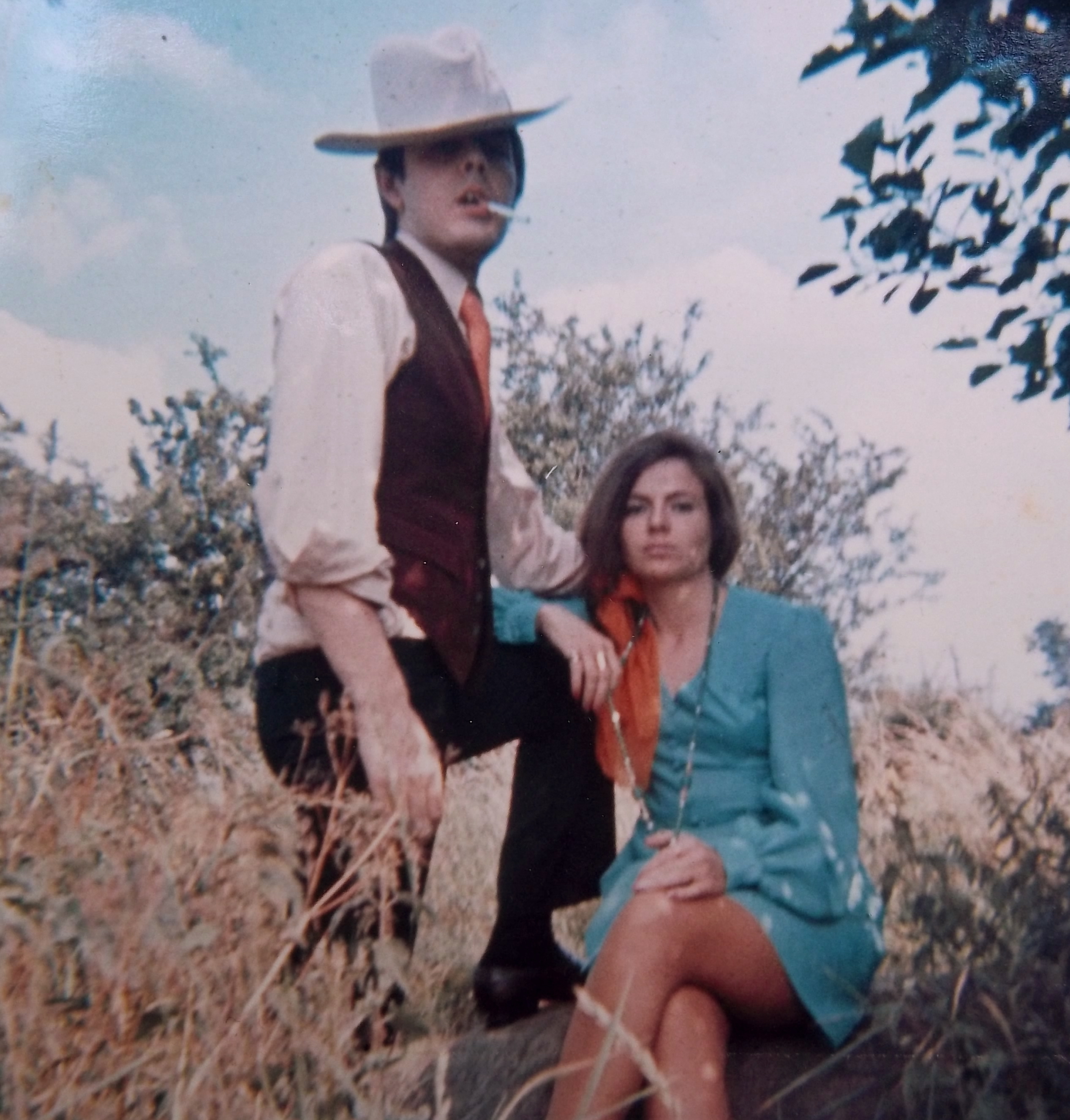
Flower Child. Rosalind, with companion. Her dress is Biba.

As we entered into the little kitchen, its further reaches were defined by yet another door, locked from “,my” side which led into  yet another flat accessed from the rear courtyard up an outside wooden staircase. From the kitchen to the right was a door leading into a long low bathroom,  a useful airing cupboard just behind, and housing a magnificent Throne at the far end next to the window, looking down onto the roof of my red Mini parked below, as did the wash hand basin in front of the window sill. Of course there was a monster bath on claw feet boxed in with hardboard. Part of my decorating scheme was to paint some “Love Baby” daisies on the cistern, gather some giant Reed Mace which I stuck in a big box of earth as a screen in front of the loo and some Art nouveauxey girls heads, full face, right and left profiles with tangling Medusa curls on the bath panel . When the Hall became derelict I was quite flattered to think someone had felt this panel was worth stealing.

On the opposite side to the bathroom two steps led down to a large bedroom with a capacious sitting room to the right. The windows to both were twelve feet high. They had wooden shutters which folded back into embrasures in the walls. They made THE most glorious clattering and rattling when they were closed and the iron bar dropped down to secure them. Who cared how much curtain material it was going to take !

 I used to imagine what the sound had been like as the house was put to bed by servants clattering through every room, shuttering window after window to keep residents and contents secure for the night.

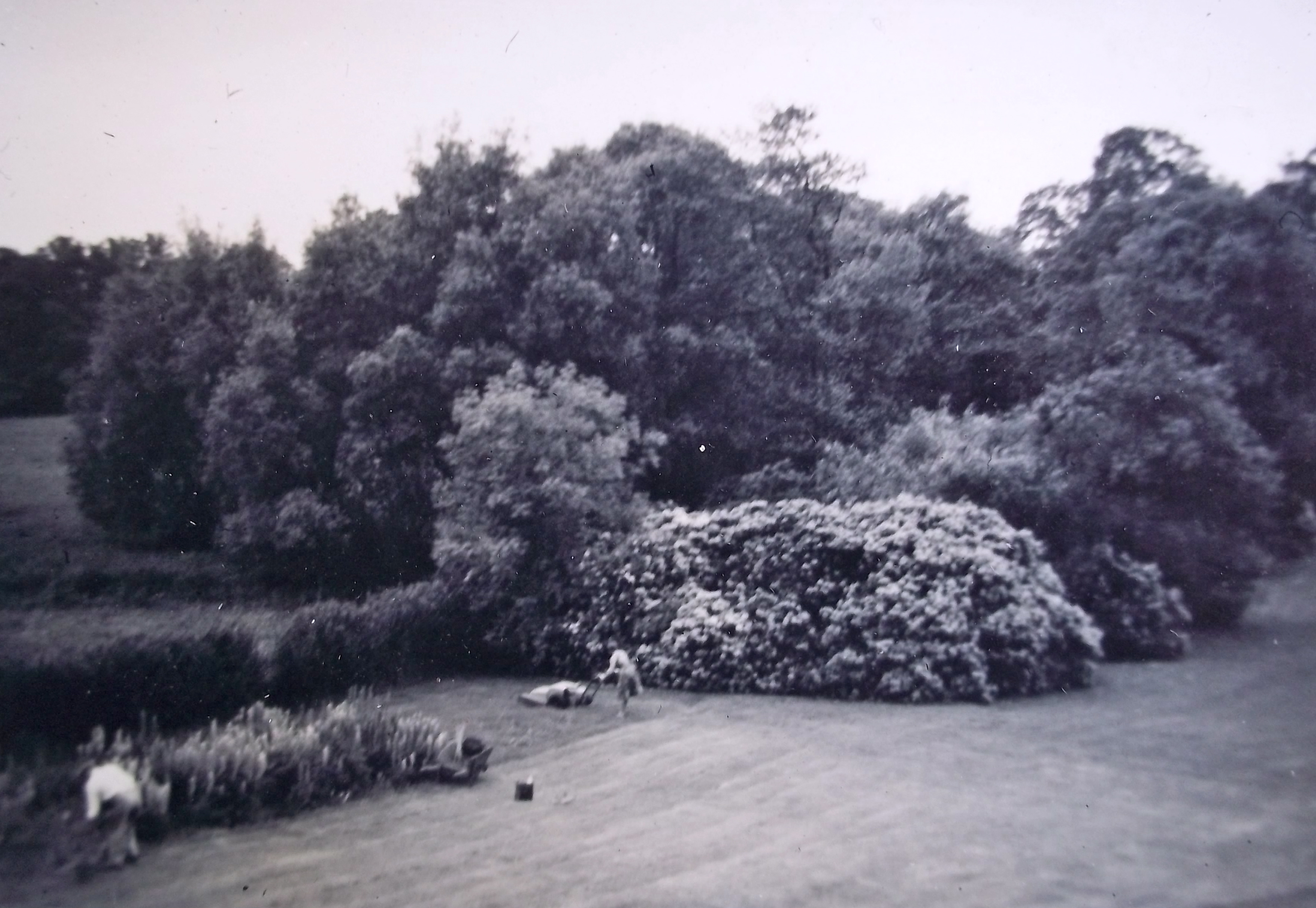
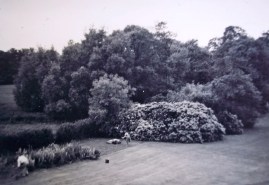
 The house was an intriguing design of two three story ends linked by a two story range, and my flat was a cross section of this, with the bathroom overlooking the yew grove and stable block, and the bedroom and sitting room looking out onto the lawns and sprawling rhododendrons which sported the most massive blooms in their season. At the top of the lawn was a wood , and hidden within its shelter was a sunken ice house, only its domed roof obvious amongst the trees. The ice was taken from one of the lakes which was just beyond the rhododendrons in the park –  now grazing land. This lake would have been beside the original main approach to the hall, still visible as a dry hard area amongst the grass in times of drought. An old illustration of a previous house indicated it was tree lined and was accessed beside the now demolished South Lodge, the twin of the remaining one which we had passed when we first entered.

 At one point the lake was dredged and cleaned for the benefit of the angling club who rented it , and amongst the mud were hundreds of oyster shells. Yet another delicacy for the residents.

 A walk through the grounds showed just what a variety of foodstuffs was produced on the estate. There was an utterly delightful Garden House with little pointy Gothic windows. One of the originals was still hiding in the warren of cellars beneath the hall. It was intricately leaded and I am sure the building it came from considerably pre dated  the Hall in its present state… in fact another resident told me that when the present Georgian building was under construction, the family lived in the Garden House. The Hall had had several incarnations, there were Norman foundations in the cellars and the staircase in the front of the house was C17th – but more of that later……

 Around the Garden  House was a range of areas to keep the estate self-sufficient : a heated mushroom house; pineapple pits; peach, apricot and grape houses… and how I longed for  one of those great greenhouses with the robust Victorian mechanisms for window opening. There were two gardens for vegetables and fruit, walled with warm red brick; and a tall water tower- a vital component. At night I sometimes heard a Nightingale singing in the abandoned gardens.

 Along Hook Lane opposite the kitchen garden entrance was a “Halt” for the trains running into Uttoxeter, and when the family was up in London, the staff would take the fresh produce, especially grapes, up to the halt and despatch them to the capital for same-day consumption, and in times of glut – selling.

 What a huge number of local people found employment there, apart from  the army running the house, and the bevy of gardeners there would be estate carpenters, grooms , coachmen and manual labourers to lend a hand to anyone requiring a bit of muscle.

 But it was all gone.  Grass, rosebay and brambles suffocated the special houses, and fertile gardens , broken glass crunched underfoot in the greenhouses. The doors of the coach house where I had my garage were only just hanging on to their jambs, but I spotted in the stables the beautiful curved stalls with  round wooden knobs on their finials and wondered what beautiful creatures had turned their gentle heads to look at the grooms bringing their fodder.

The stable yard was cobbled sloping gently to a central drain, all grassy and overgrown, with some slightly worn areas indicating which parts of the coach house contained somebody’s modern day carriage. Mine was a red Mini which had cost me £450 brand new..

 Not everyone could have coped with living there I am sure…. coming home after dark and locking away the car, I had to teeter across the uneven cobbles without getting my stilletos stuck and then walk between the soaring dark yew trees to the steps leading into the hall where the light could be put on. The thrashing branches in a storm could be a little unnerving.

 Many of the flats were empty when I lived there, some at the back condemned as unfit for accommodation, but JCBs  Company Clerk and Chief Executive, lived in the first one on the ground floor :  Basil Catford and his wife Nancy – Known as “B” and “Sammy” . Joe Bamford had actually used some of the stable block buildings for manufacturing trailers before the earth began to move for him.
100_6281

Betty and Geoffrey engaged in the Herculean task of keeping the gardens at Crakemarsh tidy.

 He had been educated at Stowe, his elder brother at Eton, and he worked hard at pretending to be vague and ditzy, but had been a highly qualified engineer, and played rugby for England, somewhere I have a picture of him in one of those glorious early racing cars whizzing round somewhere like Silverstone or Brands Hatch… and one of him on a London street in full fig with top hat looking like the Man Who Broke The Bank at Monte Carlo.

 I did have a proposal of marriage from him but was regrettably unable to accept, as he was slightly older than my father, and by this time I was already caring for two nonogenarian parents and couldn’t cope with a third, despite being told that I would ” ….enter the Aristocracy under the Dukes of Devonshire and bear the name of Cavendish”….. ah me ! What might have been…..

 For one week I had the incredible experience of being sole resident. B and Sammy were on holiday, as was Betty, and Geoffrey had gone up to London on one of his jaunts and I had free run !… I had the key to Betty’s flat to keep a check on things. Her bedroom and living room had enormous bay windows, and between them there was a soaring arched doorway leading into Geoffrey’s part which I was also looking after. I cannot tell you the joy of my first being able to walk through that archway and onto THAT STAIRCASE…. oh who had swept down there in their glorious gowns… from Civil War to Flappers and slinky bias cut art deco vamps ……

It was a great broad descent from the galleried area in front of the archway. The whole thing was a riot of carving, each newel post boasting an overflowing basket of fruit and flowers, acanthus leaves swirling between each post. The first descent was towards the window on the front of the house above the portico, then a turn down to the right and a small area housing a weighty console table with a marble top and a fat gilt cherub clambering through golden overhanging foliage  , and then another right turn down into the entrance hall which it dominated.

 To continue straight ahead from the bottom step took you along to Geoffrey’s sitting room to the left and opposite the former ballroom. This now housed an antique bed of enormous proportions where visiting daughters occasionally roosted. Both rooms were entered by flinging wide ten-foot high double mahogany doors. What a way to enter a room…

 The fireplace in Geoffrey’s sitting room was white marble with a carved portrayal of Daniel in the Lion’s Den, Daniel looking slightly chipped about the arms as if the lions had decided on a little snack. Either side of the doors was a pair of Regency bookcases recessed into the walls , They looked like rosewood with gilt trims , and some inlay. Sadly, they were some of the first things to go as Geoffrey ran out of funds. There was a black C17th display cabinet on stand which I admired enormously.

 The entrance Hall was impressive in a restrained way. Entering from the portico there was a pair of half glazed double doors, the bottom of the staircase was to the left and to the right sturdy pillars supporting the first descent of the staircase. It was the exact twin of Sudbury Hall staircase, though Geoffrey swore it was by Grinling Gibbons. Opposite the exterior doors was a hefty oval gilded mirror reflecting the light from the glazed panels, and indeed the identity of anyone who happened to be entering… maybe it was to give staircase-descenders the chance to bolt back upstairs if it was an unwelcome visitor. The area behind the pillars formed a small room and it was here where Geoffrey kept his porcelain , he was a noted authority on ceramics in The Potteries, particularly Longton Hall of which he had the best collection in existence… but that all went the way of the bookcases.

 In typical country house style walls were smothered with paintings and prints.. pictures of every description, until hardly an inch of vacant wall remained. On the side of the staircase wall was a copy of the triple portrait of King Charles I, from full face right side and left, and some priceless Moghul Indian miniatures given to an ancestor after service on the sub-continent.

 The most intriguing picture carried a curse. It was of a Victorian Worthy standing before a balustrade, I think it was of Richard Cavendish who had been the first of the Cavendish family to live there and he had so loved the place that he insisted that this portrait should hang there ” whilst a wall of Crakemarsh stood…” – and it did , until the staircase was taken out by the Bamford family along with the mahogany doors “for preservation”.

 Even then it still hung there, with bare bricks marking the former position of the staircase and facing the gaping doorway to the crumbling ballroom. Until of course the obligatory Toe-Rag cut it out of its frame and rolled it up under his jacket and sold it for a fraction of its worth. I wonder if the curse did befall him?. I do hope so.

 Betty Old and I actually thought for a fleeting moment that there was something in the curse when  the Hall was on the market and Mr Stott came to view and asked us  ” Why is that gruesome portrait left hanging in the entrance hall?”… I think my hackles and Betty’s rose at exactly the same moment. We asked falteringly ” Why… gruesome?”, ” There is blood dripping from the hand.” The most significant of looks passed between us before she explained the legend, but he wasn’t in his car before we were skittering down the staircase to check, hearts in mouths, but it was only shading on the underside of the hand caught in the light from the windows of the doorless ballroom. Phew!

If a fine summer’ s day happened to coincide with a day off work, attired in my bikini, I would unlock the door at the end of my kitchen and walk through to the far end of the empty wing and climb up to the top room where small windows opened directly onto the leads. I would climb through and stretch out on a towel , utterly hidden from the world behind the parapet which surrounded the roof.

 The view was stupendous, all across the parkland and woods over the ha-ha and down to the meandering River Dove and towards Uttoxeter…. pronounced variously Yew-toxeter; Utt(as in utter)oxeter; Geoffrey said something like Axe-eter and locals pronounced it Ootcheter which was probably the most ancient.

 There were various hefty ancient specimen trees dotted around and two lakes, but only one could be seen from my sun-bathing spot, the other being on the Rocester side. On the roof slates were scratched names and initials of workmen who had been proud of either building or re-roofing. Nobody had been up there for decades and I well remember an extremely startled jackdaw, of which there were tribes, sailing a thermal and aiming to land on the parapet, only to find a sprawled human in his territory. He quite distinctly said “ERK!!!” as he dropped off the edge as the quickest mode of escape. I did laugh but felt very guilty for having invaded his home.

 In the scheme of things it wasn’t an overly grand house, with only about 38 rooms I think. It was Grade II listed and I do not know to this day how it had got into the sad state it was in, although far grander Markeaton Hall in Derby,where Geoffrey had spent his childhood under the watchful eye of the fearsome Mrs. Munday, had already been demolished. There was a giant stone urn from the parapet , about five feet high, standing in the flower border as a keepsake  from his former home.

 Mr Stott bought the house  and I asked if I could rent the front part after Geoffrey left, but was refused and it was left empty and disintegrating.

 Across the road from the kitchen gardens was the Home Farm to the Hall, and I subsequently married Henry, the son of the Prince family living there. It wasn’t far to move my furniture and what I could carry over, I did.. Whilst struggling to carry my long case clock – works removed and already at Home Farm,- I must have cut a comical figure with my arms around its body and my feet tottering beneath. I met B coming back from garaging his car after work and he rendered me helpless by quipping as he passed ” I don’t know why you can’t wear a watch like everybody else.”

 But I was used to hauling and mauling. If I wanted a fire I had to carry my copper coal helmet down all the corridors and stairs and outside, through the yew grove and into the area at the back of the Hall which housed the Offices – laundry, bakehouse, brewery etc, and one range was the resident’s coal holes. By the time I had lugged it back up the stairs I was too warm to need a fire for a while. I used to think of those who had gone before me up and down all day keeping fires going throughout the house, a great cooking fire in the kitchen, the meat jack mechanism still hung in the chimney, roaring fires in the living rooms, smaller ones in the bedrooms. No wonder they had to employ so many people.

 Eventually it was re-sold and bought by JCBs and the staircase and mahogany features removed, so was then little more than a shell, and when the lead was stolen from the roof , it of course began to let in water, so very sad .

 The house was no stranger to sadness, old buildings all have witnessed their share, Betty had told me about the lady who had lived in the flat beyond mine who had lost her husband and would constantly cry out ” Why have you left me ?” accompanied by the mournful howls of her dog.

 Geoffrey’s father had been drowned when the Titanic sank, his mother and her maid were rescued in one of the lifeboats. She was a New Yorker, daughter of the Siegel Stores Empire and spent the years she lived as a widow at Crakemarsh removing the white paint from the staircase, I know not at what point it had been so decorated, but it was her life’s work to clean it off. She died a very few years before I got there… I was THAT close to being able to speak to someone who had been on The Titanic… though I expect there was an aura around her head which gave off the message ” Do NOT mention The Titanic”

 The saddest thing which happened to me was after I was living at Home Farm, and Chrissie, one of my cats, had been missing for five days, as a last resort I went into the Hall shouting her name….. and was answered by the most relieved little cries… ” I’m here !… I’m here ….” but the cries seemed to come from all over the house, inside and outside, and Henry and I could only assume she was in the labyrinthine flue system and her voice was coming down all the empty fireplaces in the house. She was desperate and cried and cried. Henry even made a hole in the horizontal flue in the kitchen and put cat food there, but to no avail.

 The following day I went and called again, but was met only by a thick silence. She must have died of fear, despair and dehydration.

 Eventually one wet and windy night with no electricity supply in the Hall a fire broke out in  the entrance hall, spotted by Johnny Walker the author of ” History of Crakemarsh” who was living in the Garden House and as a baker, was up in the small hours to get started early. The fire was put out and Henry later saw some partially charred straw bales had dropped down into the cellars.

 Now beyond saving, the Hall was demolished and new houses built on the site, I wondered if as the demolition team went about their work if anyone spotted the mummified body of my little Chrissie.


It’s a hauntingly sad note to end on Ros – but I treasure the whole story.  A very readable and comprehensive History of Crakemarsh by Johnny Walker tells the whole story of the settlement and can be found here:   http://www.search.staffspasttrack.org.uk/content/files/55/177/886.pdf
Posted in Uncategorized | 12 Comments

For the love of trees
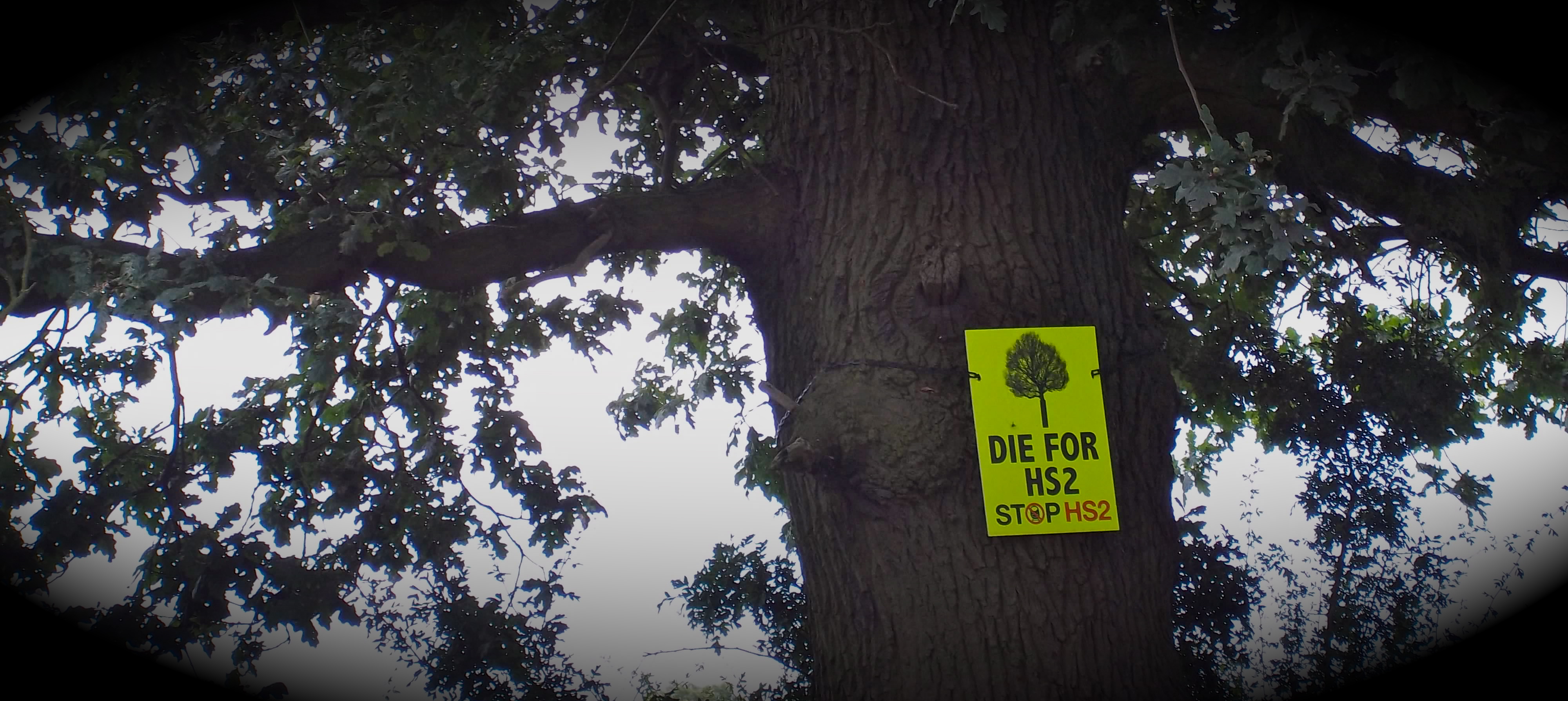
100_6211Advocates of HS2, a high-speed railway that is to link London Euston station to Birmingham and beyond, proclaim a short but persuasive list of arguments in its favour.

The opponents to the new line have a less coherent argument.  Many objections are based around questions about the official predictions about the costs, profitability and usefulness of the new line.  Most people won’t bother studying the numerical data to help them reach a conclusion, but few can fail to be engaged by discussion of the adverse impact of the project on the beautiful British countryside.

CNV00007

“We all love trees.”
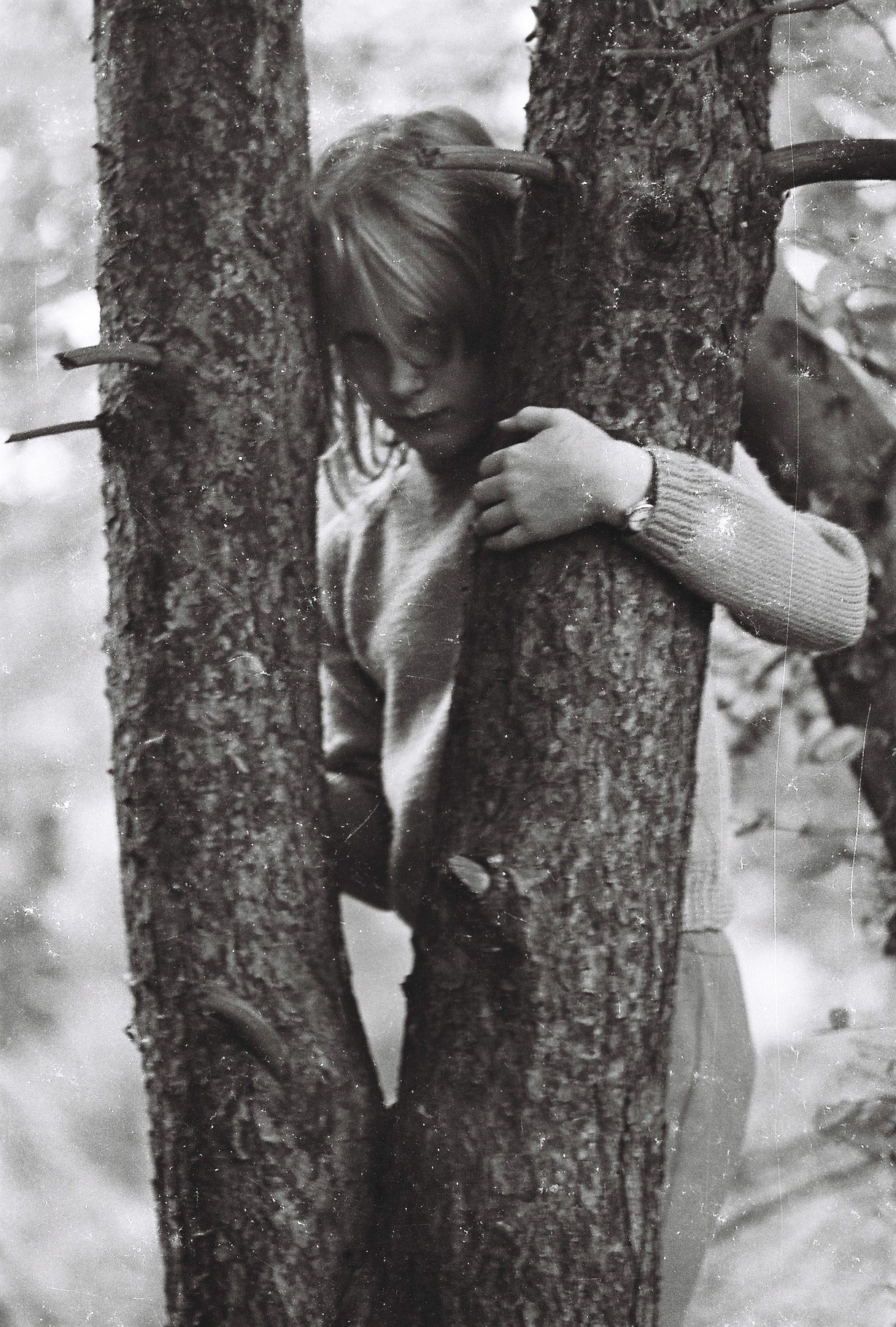
My affectionate, protective, congress with a tree in Footherley Woods, circa 1970.

Residents of the Chiltern Area of Outstanding Natural Beauty have been vocal about the detrimental effect of cutting a high speed line through their culturally and environmentally rich “back yard.”  In south Staffordshire we, too, are told that we have plenty to lose.  The “anti” campaign here has included emotive notices pinned directly to particularly beautiful, mature road-side trees which potentially lie in the path of HS2, pleading for their life.  We all love trees, don’t we? I can hardly count the ways I do.  Here, I sit a mile or two beyond the boundary of the part of the National Forest descended from Needwood Chase (its pre 15th century name), and I can identify from my little pantry window, the tree clad slope of Beaudesert Park on Cannock Chase.  Trees have never been so universally valued and nurtured in Staffordshire, and, at last, deforestation has been arrested or even reversed.  This comes after several millenia during which woodland has been plundered for domestic and industrial fuel, and building materials, or simply destroyed for being the  malevolent sanctuary of ferocious wolves and robbers, and the obstacle to efficient arable farming.  So very recently, even individual trees were still an expendable nuisance in the rural landscape, an obstruction to the widening track-width of agricultural machinery post-WWII, and grubbing them out was one of the jobs to be tackled on the farm in the “back end,” when other tasks were complete, even though from 1947, trees have been defended by the making of legally binding  Protection Orders.

The enclosure of woodlands, as of the vast majority of land held in common, was taking place piecemeal throughout Staffordshire during two or three centuries leading up to the turn of the 19th century –  sometimes by negotiated agreement between local people.  Even in those cases, the very poorest in society will have been further impoverished by the change – and denied the opportunity to life independent of support – by losing their rights to grazing and pannage for their animals, and to collect firewood and wild food, as each acre of land became someone else’s possession: to fence, to hedge, to husband or to neglect as they chose.  Motivation for the enclosures in the early 1800s will have included the cupidity of men, but it resulted in a dramatic increase in food production.

Enclosure remains a contentious issue.

An 1801 Act of Parliament extinguished common rights in Needwood, and it was clear that enclosure of the land and the felling of many trees would follow, swathes of destruction many times more extensive than HS2 may cause.

For every pauper family pitifully anxious about their future source of sustenance, it seems that there was a poet in rural Staffordshire, quill in hand, ready to laud the beauties of Needwood and point out its ecological significance as the habitat of naiads, satyrs, and assorted wood-nymphs.

In 1776, Francis Noel Clarke Mundy published Needwood Forest, a work inspired by fears about the imminent destruction of Needwood, which included poetic contributions by Brooke Boothby, Anna Seward and Erasmus Darwin.  The raw, sincere, feeling for nature in this work is fully in the Romantic tradition of Wordsworth, yet two decades before his first verse was published.  Here is yet another example of the prescience of the Lichfield polymath Dr. Darwin.

The Swilcar Oak was one several particularly magnificent ancient trees in the forest.  It towered beneficently over a natural grazed “lawn” between Newborough and Marchington.  In Mundy’s poem, he describes movingly how the tree itself might speak of its plight:

Huge SWILCAR shakes his tresses brown,

Out-spreads his bare arms to the skies,

The ruins of six centuries,

Deep groans pervade his rifted rind

– He speaks his bitterness of mind.

“Your impious hands, barbarians, hold!”

The words of the elderly, noble oak as he envisions the death of his brother trees in the coming holocaust, and offers, heroically, to sacrifice himself for them are very touching indeed:

…”Deaf are the ruthless ears of gain,

And youth and beauty plead in vain.

– Loud groans the wood with thick’ning strokes!

Yes, ye must perish, filial oaks!

In heaps your wither’d trunks be laid,

And wound the lawns, ye used to shade;

Whilst Avarice on the naked pile

Exulting casts a hideous smile.

Strike here! On me exhaust your rage,

Not let false pity spare my age!”

A volume entitled The Fall of Needwood Forest followed a few years later, bemoaning the failure of the cause. Swilcar however, was spared during the massacre, and he lived on for at least another century, for visitors to the district to marvel at.

100_5317

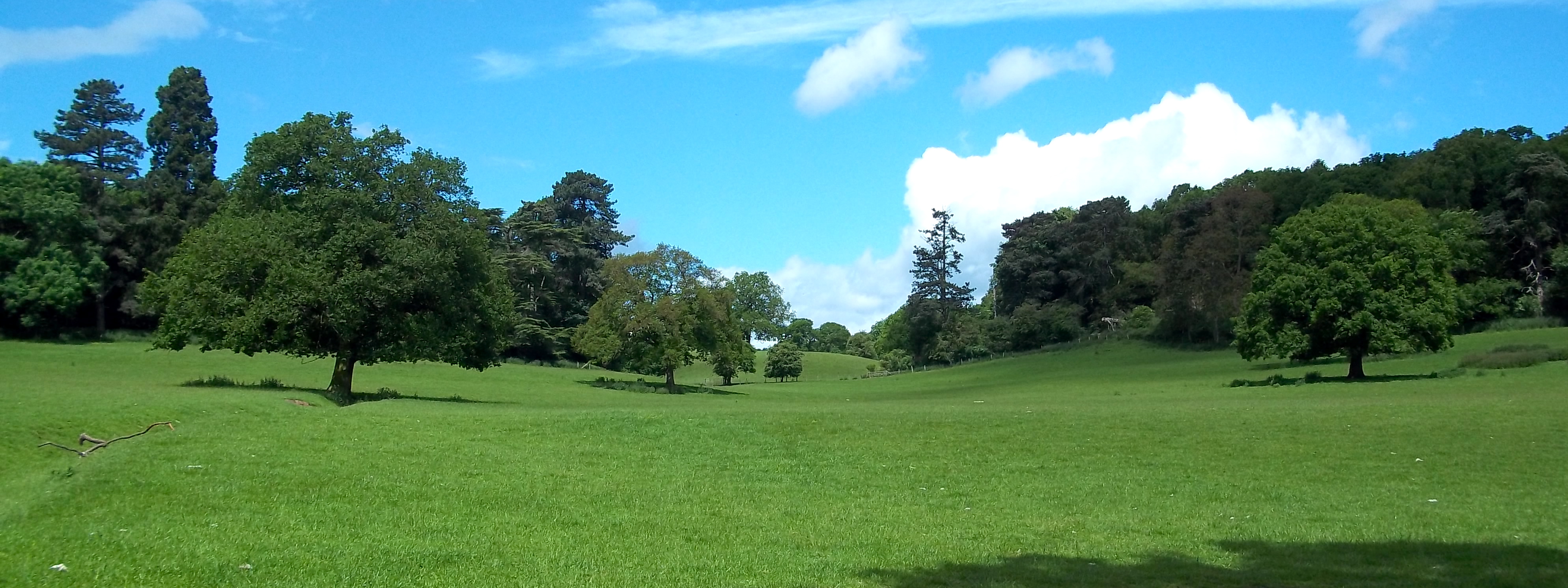
The landscape of the parkland surrounding Yoxall Lodge still gives a fair impression of Needwood as it would have been in the 18th century. Spring 2013

At Yoxall Lodge, the poet and Reverend Thomas Gisborne’s devotion to the forest scenery was publicised in his 1794 book of verse Walks in a Forest.

His campaigning against the enclosure of the forest has been overshadowed by his involvement in another contemporary cause: his friend William Wilberforce was his frequent guest, and the peaceful sylvan setting of Yoxall Lodge was his choice when working on his successful campaign for the abolition of slavery.

Gisborne also made a detailed botanical survey of the forest, and his collection of 600 specimens are now in the British Museum, and I think that he would be pleased with his legacy all round.

The Georgian House he occupied is gone, but the 175 acres of land granted to him when enclosure took place still give a fair impression of what Needwood may have looked like prior to the changes. When the Featherstone family, who farm there now, open the grounds to the public in bluebell time, your own Walk in the Forest is not to be missed!

Thomas Gisborne’s younger brother, John, shared his brother’s upbringing at Yoxall, his appreciation of the natural world, and exceeded him in poetic talent.  Lacking the Wilberforce connection, and of a pathologically shy and self deprecating disposition, his light has been firmly under a bushel for two hundred years.  He even destroyed the letters of praise he received for his work, including one from Wordsworth. He and his wife, Millicent, both of them gentle and delicate, were described thus by Anna Seward:

The second Miss Pole gave her lovely self to Mr John Gisborne, younger brother to the celebrated moralist and poet of that name. Mr John Gisborne’s philosophic energies, poetic genius, ingenuos modesty and true piety render him a pattern for all young men of fortune, and an honour to human nature.

From John Gisborne’s diaries, and the memoir that was lovingly written by his daughter Emma, we can share what unbearable anguish  this Georgian Nimby felt when he realised that the Forest would fall.

Holly Bush House, Newborough, is just a short stroll from brave, avuncular Swilcar, and had been a residence of Francis Noel Clarke Mundy.  In 1795, John Gisborne had purchased it for his family home, and observed with horror the coming developments which were to change his environment forever.  His daughter describes:

….Government gave orders for the enclosure of Needwood Forest, and Mr J. Gisborne,  finding, with his large and increasing family,  that he could not afford (without running a risk of injuring his family) to purchase some beautifully wooded elevations of the adjacent Forest, and which, if cut down would seriously injure the beautiful scenery surrounding Holly Bush; he resolved to sell his estate, as he could not bear the idea of a place to which he was become so ardently attached, being despoiled of any of its varied beauties, and which must be the case if he retained the property in his own hands..

100_5596

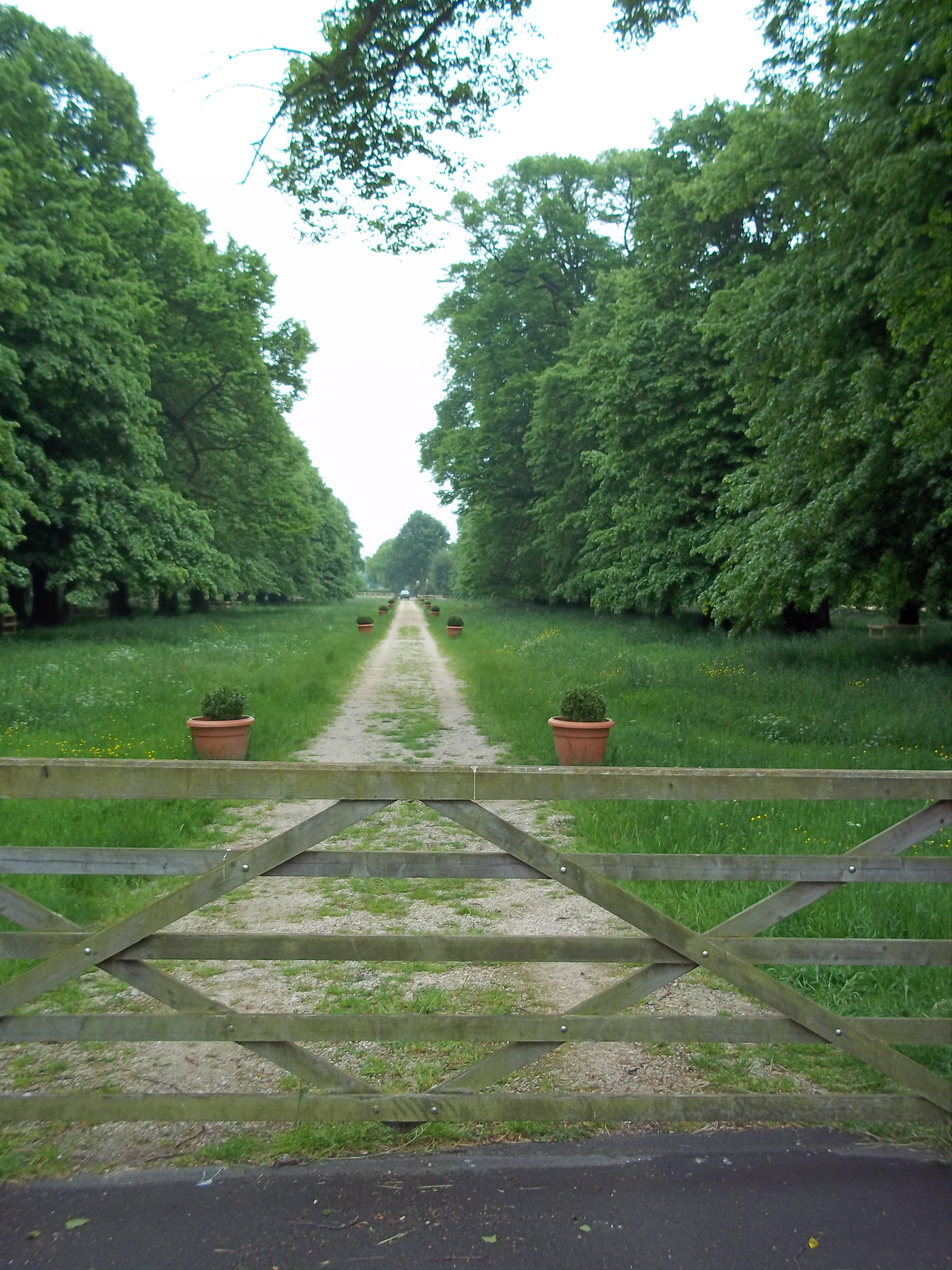
The avenue of lime trees leading from Orgreave Hall to its lodge on the A513. The trees would already have been a century old when John Gisborne moved here.

In the Autumn of 1806, Holly Bush was sold and the Gisborne Family became Lord Anson’s tenants at Orgreave Hall for the next 8 years.

Then as now, I suspect that he found natural, broadleaf woodland scarce just here, whether to comfort him in his nostalgia for the view from Holly Bush, or to remind him painfully of his loss.

Orgreave “meadows” had already been intensively farmed for many centuries, although a few older trees are dotted around the hedges of blackthorn, hawthorn and holly.

The trees which would have shaded him on his contemplative walks are the avenues of lime trees, placed by man and not by nature.  Beautiful as they are, I don’t feel that they would quite have hit the spot for him after living in the heart of Needwood.

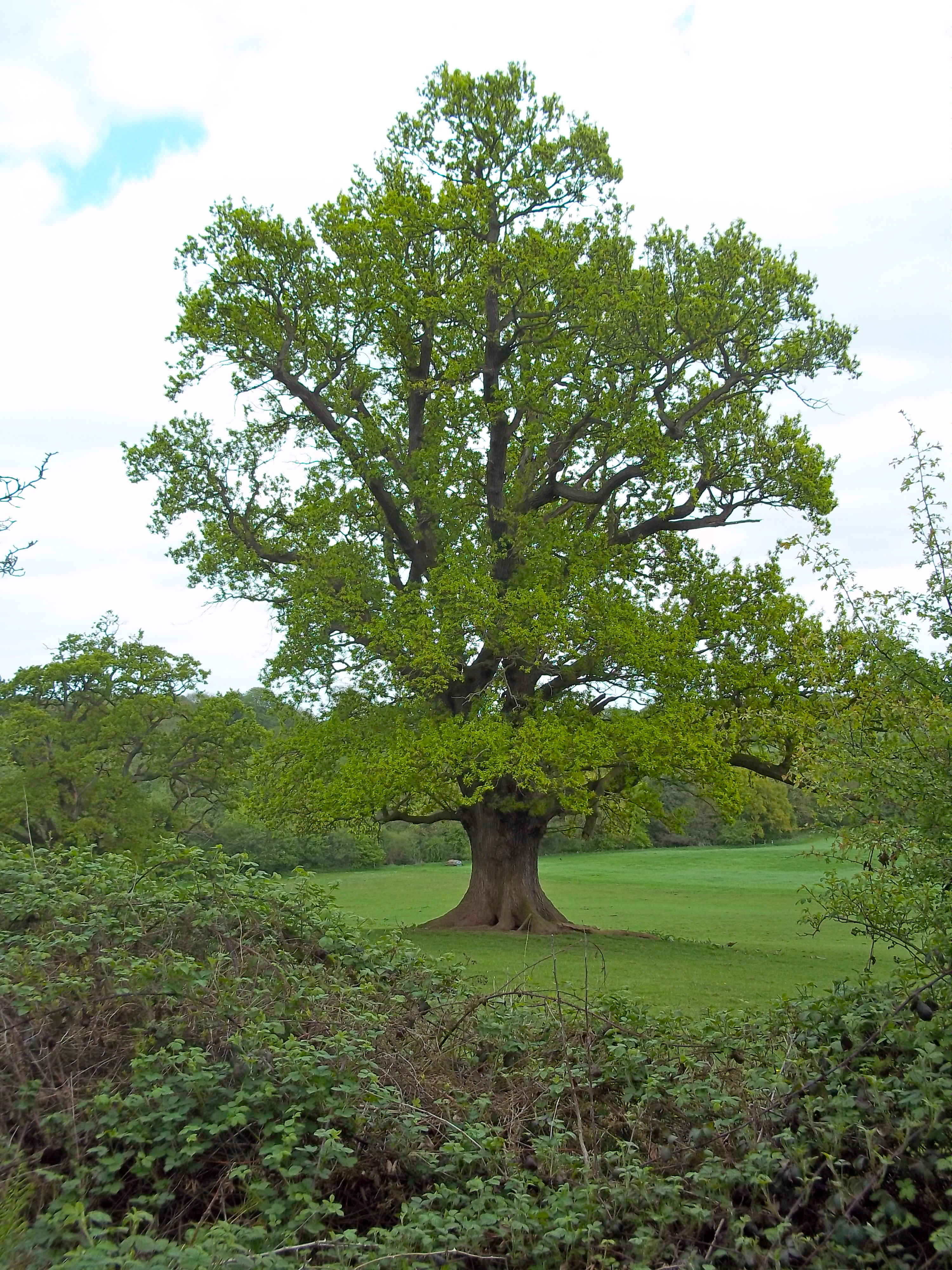
A typically gorgeous Needwood scene near Dunstall.

A typically gorgeous Needwood scene near Dunstall. June 2013

Posted in Uncategorized | 15 Comments

Cool, Clear Water.

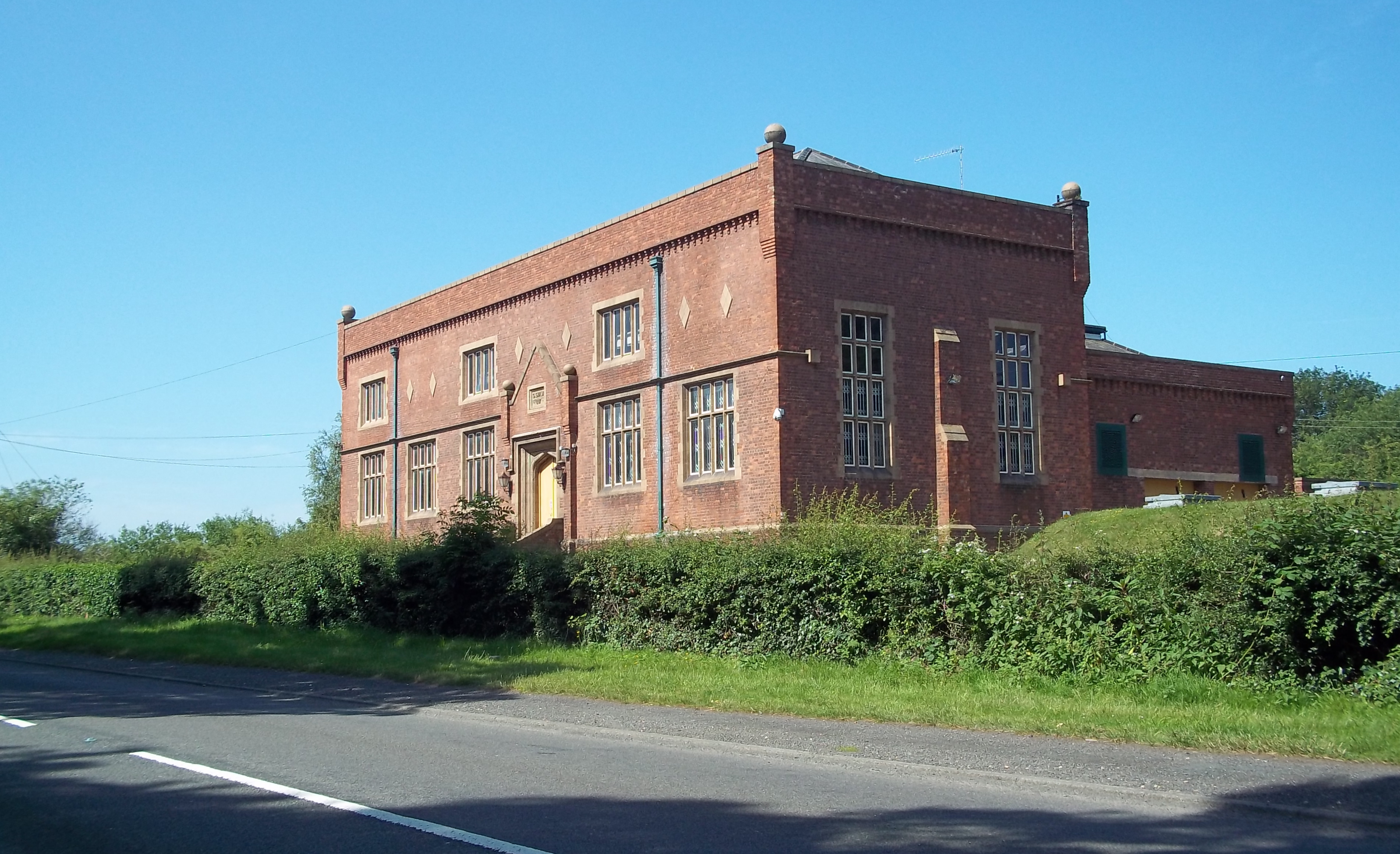
Pipe Hill Pumping Station, near Lichfield. 7th July 2013

Pipe Hill Pumping Station, near Lichfield.
7th July 2013

It’s said  – unscientifically – that Greater London’s tapwater passes through 13 bodies before it is discharged into the mighty Thames.  This I could well believe, when I first tasted it, in September 1980 as I commenced wafting through my degree course at London University. Even before my trunk could be unpacked, draped with my tangy Afghan coat, (hairy side out), and sat upon, from the neighbouring room in my Hall of Residence, a traditional Lancashire greeting rang out.

 “Dust want a brew?” said Heather, melodically.

Luckily, the dire taste of that first shared pot of tea thanks to the worn out water was no reflection on the rich and enduring future of our friendship.  That Surrey water!   It seemed so tainted with strange metropolitan savours that I had no choice but to drink draught bitter throughout term-time.  Coming home to Aldridge that Christmas, the very ordinary outpourings of our kitchen tap in Bosty Lane, supplied to us by the South Staffordshire Water Company, tasted like nectar.

Water sold to us, today’s South Staffs Water customers, is partly derived from its reservoirs at Chelmarsh in Shropshire and at Blithfield, where a beautiful expanse of baby, inland, wavelets flare it into gentle green shores that are thatched, sparsely, with some of the oldest remnants of Needwood Forest.

Water from 69 boreholes also gushes into the supply, and this is what contributes to the fine character of our South Staffordshire glassfuls of Adam’s Ale.  The product is so good, that at Elmhurst it is supplied in bulk to the bottlers and retailers of spring water based drinks. There is a particular satisfaction for us, in filling our own choice of portable water container, for virtually nothing, in the comfort of our own home. Although, when you get where you are going with it on a summer’s day’s excursion, it will have lost its refreshingly frigid allure. Some will justify the purchase a plastic bottle of water from a chiller cabinet .

100_6023

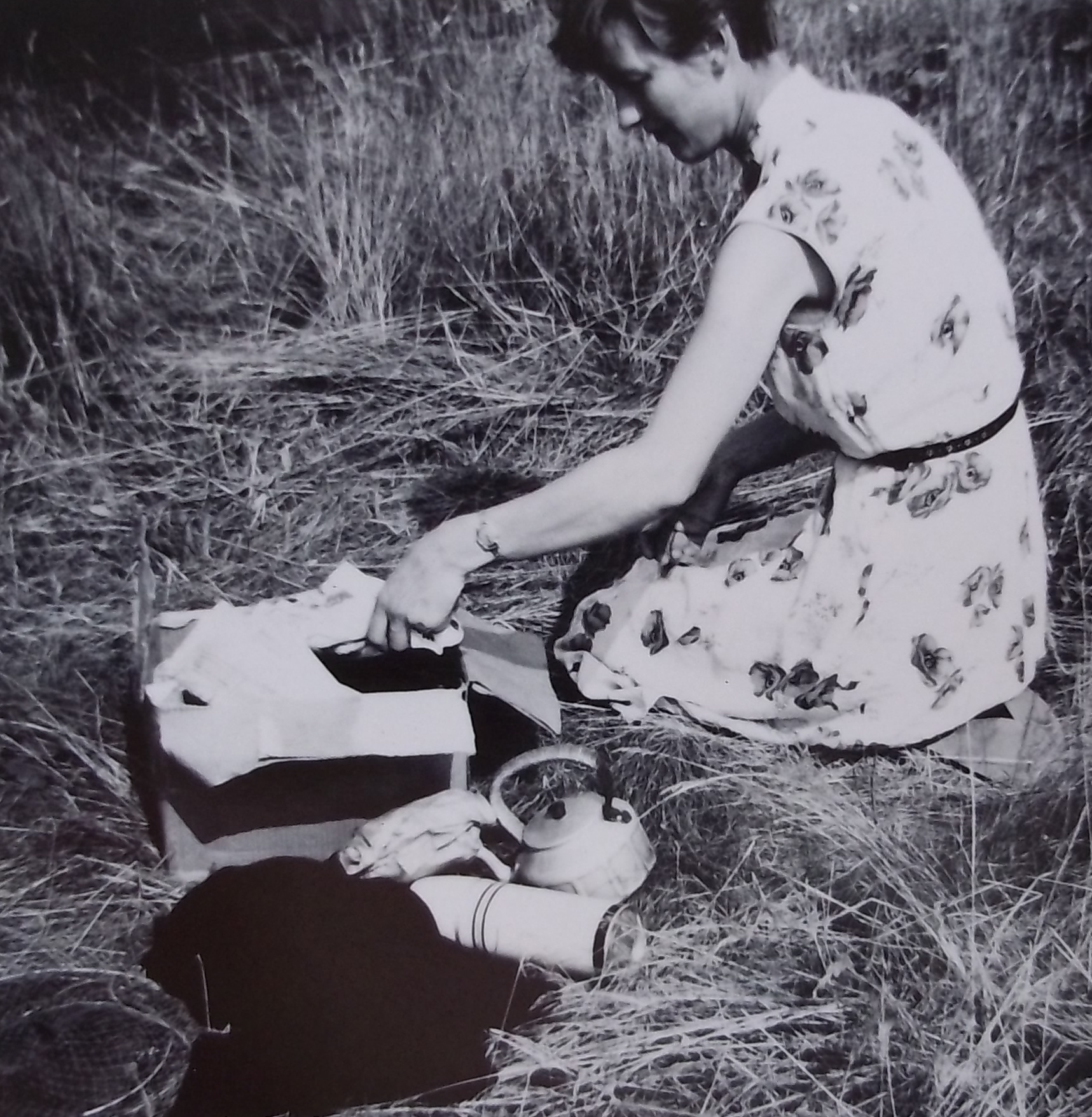
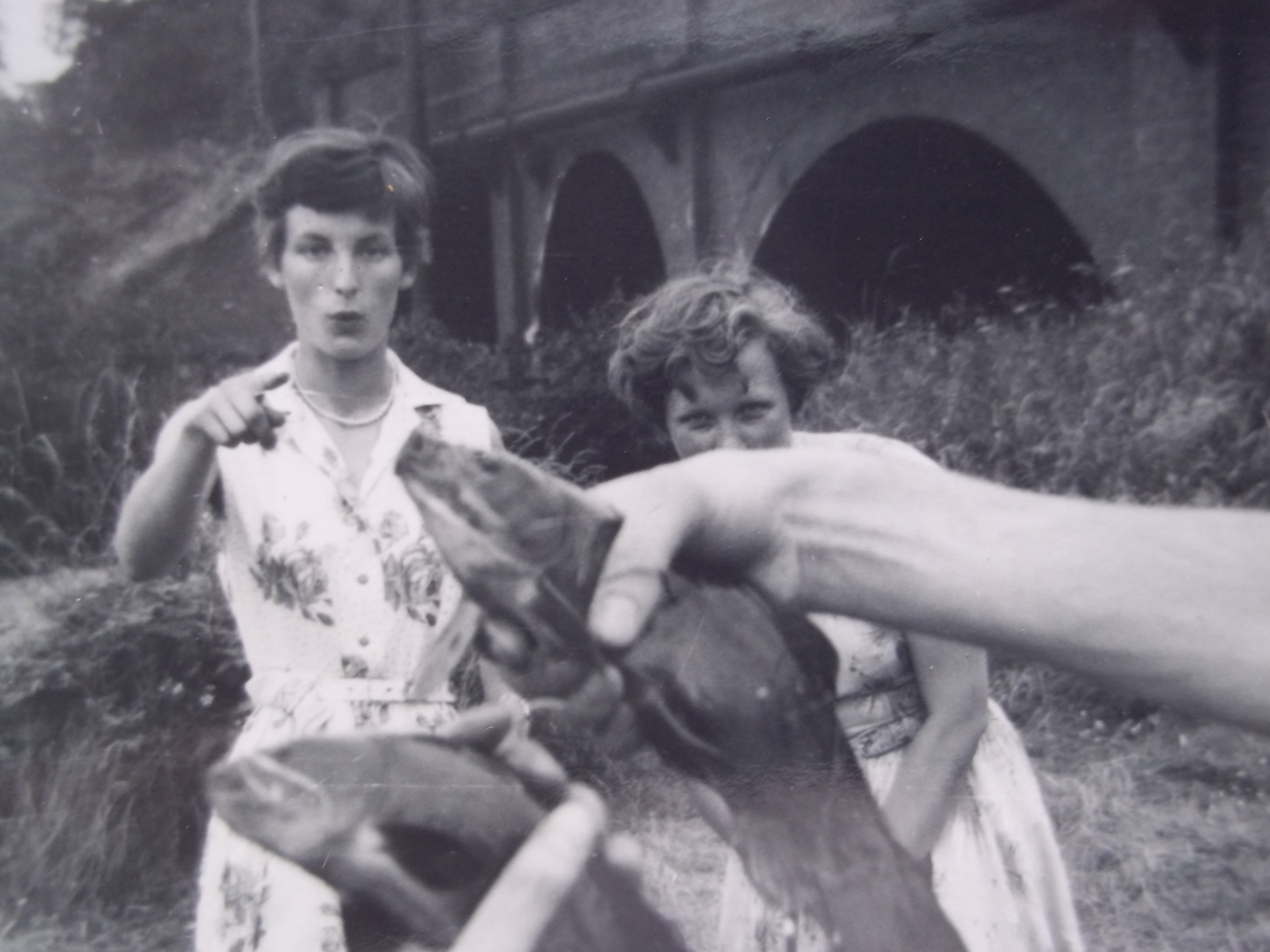
1955.  Here’s Mother, in the dry and sunny summer of that year, unpacking the makings of tea and bacon sandwiches at the usual spot.  She is kneeling in the long dry grass, in a demure, poppy strewn print frock, near a now late, lamented and uncharacteristically straight stretch of the “curly” Wyrley and Essington Canal, behind South Staffordshire Water Company’s  Pipe Hill Pumping Station, just west of Lichfield. The previous year, 1954, this stretch of the Wyrley and Essington  between Ogley and Huddlesford had been closed to canal traffic.  The lack of disturbance in its reedy, weedy depths can only have been good news for  keen sportsmen like my dad. Respectable catches were occasionally documented on these week end fishing trips. Here are Mom and her friend, Betty, contriving to look astonished by a piscatorial haul, in front of the bridge carrying the Walsall Road over the canal at Pipe Hill.  The optical illusion which my dad seems to have been aiming for is somewhat spoiled by the presence of Ron’s “giant” hands in the picture.

100_3326

In front of the canal bridge at Pipe Hill.
Would you go fishing without your pearls on?

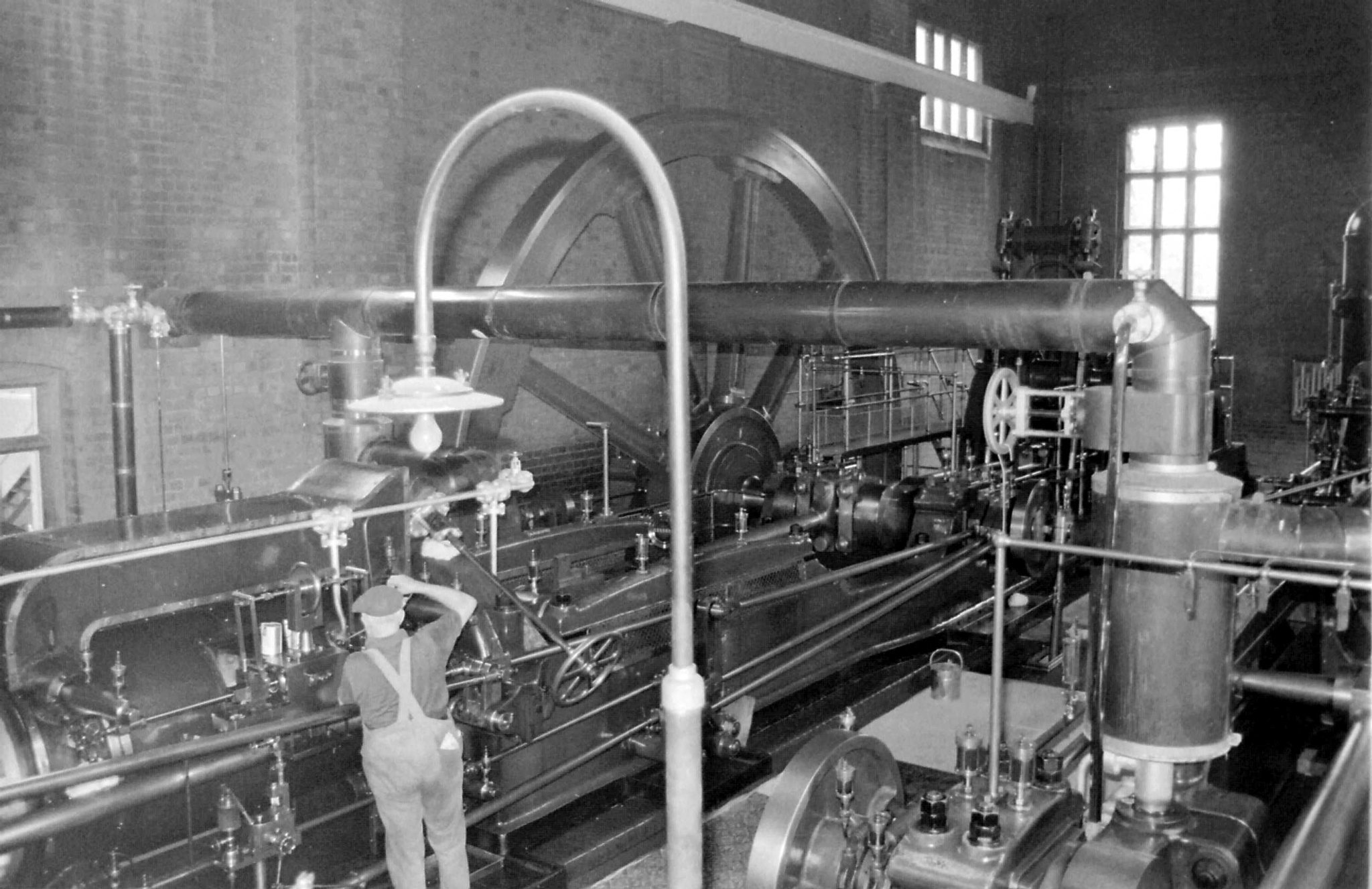
One breakfast time on the canal, primus stove lit, rashers curling seductively in their bath of fat in the pan, and mugs set down, Mom realised that they had forgotten to fill a jerry can of water to boil for tea.  But there was an obvious solution to this dilemma, which did not involve the dubiously stagnant contents of the canal.  Pipe Hill’s Pumping Station’s impressive Lutyenesque facade of warm red brick, and stone mullions faces the road, away from the canal.  There was no need to trip up the grand steps to an oak door crowned by an austere Gothic arch, of dimensions which would grace any country mansion. Instead, she knocked, kettle in hand, at a rear entrance to the building, to ask for it to be filled with water. The cool interior, the magnificent labyrinth of pipes, wheels and pistons, and the still cooler flow of the water as she swallowed the crystal clear draught given her to drink there, deep in the building, that hot dusty morning, is fresh in her memory.

Pipe Hill Pumping Station in 1968 Two Horizontal Tandem Compound Pumping Engines - Hathorn Davey & Co Ltd, Leeds - 1904  & Ashton Frost & Co Ltd, Blackburn - 1915.   An image from Peter Ellis's  album of stationary engines at ellisdesign.jalbum.net

Pipe Hill Pumping Station in 1968
Two Horizontal Tandem Compound Pumping Engines – Hathorn Davey & Co Ltd, Leeds – 1904
& Ashton Frost & Co Ltd, Blackburn – 1915.
An image from Peter Ellis’s album of stationary engines at ellisdesign.jalbum.net

She recalled then in conversation to the man who received her at the door, and recalls now, that her father, a pipe fitter, living in Walsall, had been engaged to work on the Lichfield pumping stations before the war – sadly, one of the scant few facts that anyone will ever know about my maternal grandfather’s working life.  The old chap at Pipe Hill that day in 1955 was inclined to think that he may have recalled Edward Sheldon, my grandfather.  He was, after all, memorably tall.  And sociable.

The Lynn and Stonnall Conservation and Historical Society’s “Discovering Stonnall” presents me with an intriguing image of a gang of workers at the Sandhills pumping station, taken when the pumps there were installed in 1935.  There is something familiar about the way that tall, lean chap is standing.  The shape of his head. And the way he is wearing his cap….. What do you think?

From "Discovering Stonnall" by the Lynn and Stonnall Conservation and Historical Society.  The installation of the pumps at Sandhills pumping station.

From “Discovering Stonnall” by the Lynn and Stonnall Conservation and Historical Society. The installation of the pumps at Sandhills pumping station.

100_6021

My maternal grandfather Edward Sheldon. 1895 – 1963.

Posted in Uncategorized | 10 Comments

Dynasty

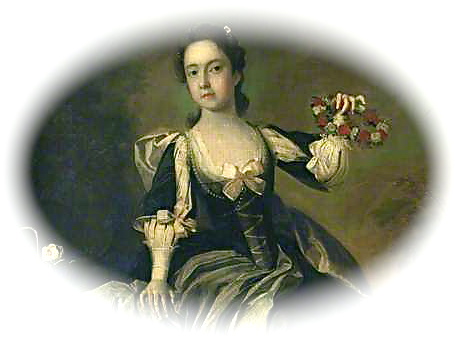
(c) National Trust, Sudbury Hall; Supplied by The Public Catalogue Foundation

I find it endlessly interesting how the the female spawn of the British upper classes in bygone centuries were mindfully placed into matrimony at sexual maturity, their identity obscured by a customary (but not inevitable) change of name, only to supply half of the genes of the next generation, and to exercise more than their share of influence on the character and values of their future children.  These women were unencumbered, in their domestic sphere, by the necessity to keep up the din of sabre rattling, or to govern publicly. Their influence is quiet, in “history,” but potent.

The hand that rocks the cradle rules the world.

Although, (as I feel sure you will point out): In literal terms, they will have had someone to do that for them.

Take  Mary Vernon Venables, above, depicted by the painter Thomas Hudson during her girlhood.  Mary, later The Honourable Mary Vernon Venables, later The Honourable Mrs George Adams, became, later, after a judicious change of name by her husband, The Honourable Mrs George Anson. She was also the dam of the entire dynasty of Earls of Lichfield.

Hers is a disinterested stare.  Hers is not a particularly beautiful visage.  The velvet gown, with its diaphanous lace fichu and unbending ribbon laced “stomacher,” in the fashion of the 1740s, are womanly.  The face and figure are girlish, and Mistress Mary Vernon Venables holds up to us, with finely wrought fingers, her floral garland, the symbol of her virginity.

100_5709

Sudbury Hall, Derbyshire. 15th June 2013.

This  portrait hangs, still, in her childhood home, Sudbury Hall, in Derbyshire. This remarkable Restoration era house in Baroque – Jacobean style, old-fashioned even back in Mary’s day, was built for her great-grandfather, George Vernon.

100_5676

From the gardens to the south of Sudbury Hall through the garden door to the parish church of All Saints. 15th June 2013.

Some seasons passed, and her winter wedding morning dawned late and cold.

Few flowers bloomed in the gardens of the hall to be plucked and woven into her maidenly headdress that day.  There was no posy of roses and orange blossom to be clasped in those delicate hands, or petals to be strewn before her little feet on her route to Sudbury’s parish church of All Saints where the remains of many of her ancestors were interred.  Indeed, as she passed, with her bridal entourage, through this garden door from the grounds of the house,  it will have been festooned with the holly, the ivy, the rosemary and the mistletoe appropriate to the final, and most joyous day of feasting of the Christmas season: It was Wednesday January 5th, Twelfth Night – 1763.

Set into the wall here is an inscription:

OMNE BONUM DEI DONUM.

“All good gifts around us, Are sent from heaven above.”

Perhaps so.

100_5704

All Saints Parish Church, Sudbury, Derbyshire, 15th June 2013.
Remnants of Norman masonry can be found in the edifice which is thought to have been rebuilt around 1300.
With several later renovations and “improvements.”


Marry when the year is new,  he’ll be loving, kind and true

……went the old rhyme.  And who could ask for more?  Except perhaps that he , her groom, George Adams, 32 years old, Member of Parliament, should be the chosen heir to the fortunes of his two childless uncles. And that he, in the coming decade of anticipation before those bequests are his, should make you mistress of a pleasing small country house, viz Orgreave Hall, sitting, graciously, in pleasant countryside, only 12 miles from the familiar surroundings of Sudbury, but south of Derbyshire’s border with Staffordshire that is formed by the trout-rich river Dove of Izaak Walton.

 If snow did fall on George Adams and Mary’s wedding day that early January day, its auspices of fertility and wealth  – according to another old superstition, were fulfilled wonderfully. Their family comprised at least eight healthy children.  George’s inheritance was to be most considerable:

George Adams’s great, great grandfather, William Anson of Dunston had purchased the Shugborough Estate in 1624.  In the time of this William’s grandson – another William Anson, the old half-timbered manor house was demolished in favour of the construction of a mansion of classical design.  William and his wife Isabella Carrier seemed to have made adequate dynastic provision for their estate: After a daughter, born in 1690, they successfully produced a male heir, Thomas, in 1695, and a further son two years later.

Unfortunately for the future of name of Anson, Thomas, their heir never married.  However, his extended tours of Europe, in the company of his fellow, unmarried, artistically minded, young men provided inspiration for the Greek and Italian flavour of the splendid remodelling of Shugborough in the 18th century. His brother George, despite being bred as far from the coast as is possible in Britain, became one of its most celebrated Admirals.  He spent his bachelor years leading his men to victory in naval battles, circumnavigating the world, and making his enormous fortune in true “Boys Own” style by capturing a Spanish galleon laden with pieces of eight. Aged 50, in 1747, he became Lord Anson in recognition of his achievements and finally found time to marry – the 23 year old Elizabeth York. Sadly, and with no known connection to the decades spent in the company of sailors, the marriage was “without issue.”

Admiral George Anson’s sizeable wealth was well employed in the work of extending and adorning Shugborough, but he also went shopping for additional real estate within the county of Staffordshire and elsewhere. In 1752, he bought the whole manor of Alrewas, including its grandest dwelling, Orgreave Hall, from the Turton family, who had held the manor throughout the preceding century. His other estates in the home counties seem to have been Admiral Anson’s preferred residences in his declining years, and so it is not thought that he lived at Orgreave Hall, but he must surely have visited it.

His death came in June of 1762, and Alrewas, and Orgreave Hall, and the future interest of his fortune passed to George Adams, the son of his sister Janette and her Shropshire gentleman husband, Sambrooke Adams. Was this the point at which the betrothal of George Adams and Mary Venables Vernon was decided upon?  Their marriage took place  at Sudbury exactly 6 months later.

100_5604

Shugborough Hall, Milford, Staffordshire, June 2013.
Without Wyatt’s ponderous portico, and the mid 18th century wings, the core of the building is much the size and shape of Orgreave Hall,
but not nearly so pretty.

With the death of his uncle Thomas Anson at Shugborough in 1773, George Adams promptly amended his family’s name to Anson, and he, Mary, and their growing brood of children hot-footed it back to the splendours of his inheritance on the northern side of Cannock Chase, leaving Orgreave available to be let to a long, long series of varied and interesting tenants. Farmers, poets, suicides, brewers, botanists, and industrialists, they form a captivating procession of dramatis personae, as they dawdle on Orgreave Hall’s lawns, and receive their guests in the reception rooms which were once as good as Shugborough’s before those were aggrandised by plundered gold.

The Alrewas Estate, and Orgreave Hall, were to remain the property of the direct descendants of George Adams and Mary Venables Vernon until their great great great grandson, Thomas Edward Anson, the 4th Earl of Lichfield, finally auctioned it off in 1953.

I don’t believe that the beauty of the Staffordshire landscape captivated Mary.  Or that the undoubted charms of nearby Lichfield were found sufficient to entertain her, despite it being in its heyday as the clean, vibrant little “City of Philosophers”  to which Dr Johnson brought his friend Boswell to show him “genuine civilised life.” In widowhood she repaired to her town house at 49, Queen Anne Street, in London’s fashionable Marylebone, where she died, aged 82, in December 1821. In her lifetime she saw a dramatic rise in status for the family she was born into and also the one into which she married.  Her father, George Venables Vernon, after some shameless self-promotion, was created the 1st Baron Vernon of Kinderton in 1762, which conferred the title of “Honourable” upon his children, including his daughter Mary. She saw her eldest son by her husband George, Thomas Anson, created 1st Viscount Anson of Shugborough and Orgrave [sic] in 1806.  Either sumptuously entertaining powerful people at Shugborough Hall, or long service, in his father’s footsteps as a Member of Parliament had done the trick.  Or both.

Mary’s dynastic mating was a success on her family’s terms.  But was it a happy marriage?  Who dares to speculate after 200 years?

The last purported date for the completion of the “Shepherd’s Monument” in the park at Shugborough is 1763, the year of Mary and George Adams’s union, and shortly after the death of Admiral Vernon. Historian AJ Morton, amongst thousands of others over the years, has had a crack at unlocking the meaning of the enigmatic inscription it bears: OUOSVAVV, framed at either end by DM, and contorts  a connection with our Mary and George.  The Telegraph reported in 2011

Mr Morton said: “It is very likely that ‘M’ary ‘V’enables-‘V’ernon of ‘S’udbury Hall, the Baron ‘V’ernon of ‘D’erbyshire, the honourable Edward ‘V’ernon-Harcourt and the 1st ‘V’iscount ‘A’nson of ‘O’rgreave (a hamlet ‘U’nited with ‘O’verley) and ‘S’hugborough were somehow involved in the creation of the original ‘Shugborough Code’.

My attention is drawn to the monument’s depiction by sculptor Peter Scheemakers, in imitation of an original painting by Poussin, of a woman and three shepherds, two of whom are pointing to a tomb, on which is inscribed “Et in Arcadia ego”. The design was chosen by Thomas Anson.  Are we seeing a stylised representation of the older, childless uncles, contemplating their imminent demise, handing on the family’s hard-won Arcadia in Staffordshire to the young couple Mary and George?

438px-Shugborough_arcadia

Posted in Uncategorized | Leave a comment

And so it flows…..

326417_10150592784493384_356320012_o

Dawn in midwinter on the Trent at Orgreave.

100_5524

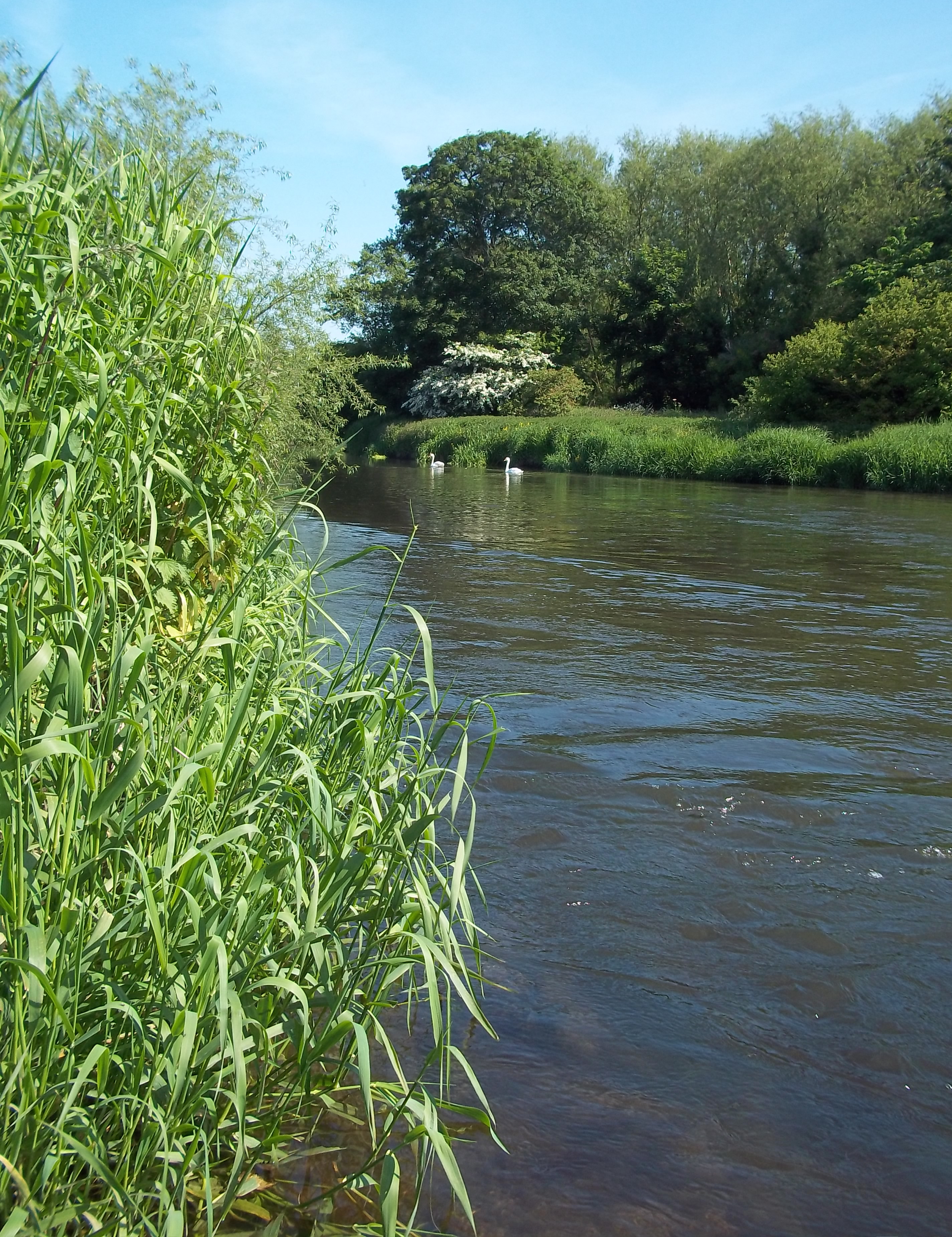
A pretty spot on the River Trent near Orgreave. June 2013.

The most significant topographical feature of the hamlet of Orgreave, in Staffordshire, is its own stretch of the River Trent.  This meanders capriciously within level banks, almost invisible until you are upon it, alerted to its presence only by the brassy little bleats of a pair of indignant mallard  – put up when they hear you approaching their nesting site. This familiar mile or so lies between the Trent’s confluence with the Blithe at Kings Bromley, and the place where the dainty Swarbourn, having dribbled gently alongside at a coy distance through the Yoxall meadows, suddenly curls tightly to throw in its lot with it at Wychnor.

In the absence of any landmark or elevated ground on which to frame the scheme of a morning walk, the river draws my loping boots to it in winter. In summer my dusty sandals, in their turn, make their way north, northwest from the bottom of the garden.

Two fields are traversed to reach the river, and they are strewn with magnificently various hues of pebbles, which are like the scattered contents of a box of broken jewellery when the sun shines on them after a shower on newly ploughed ground. These relics, and the sandy loam, and the sudden interspersions of clay soil (a “cat-muck” field, as described by my farmer neighbours, frustrated at their claggy ploughshares) betray the aeons of alluvial activity hereabouts.

Linguists speculate that Orgreave’s name is derived from a compound of the Anglo-Saxon words ord, “spear blade, edge” and graefe, “grove, wood”, and could be translated as “at the brink of the forest”.  Although such retrospective assumptions can be flawed, the logic of this one is sound.  A thousand years ago, this settlement lay in the far north-west of the vast “Cank Wood” from which present day “Cannock Chase” derives its name.  Cank Wood was bordered by the River Trent.  The river had created wide fertile, treeless meadows along its shores, and dwellings and farmsteads of long ago were,  naturally,  constructed just beyond the washlands of flood waters, and, therefore, at the woodland edge.

100_4532

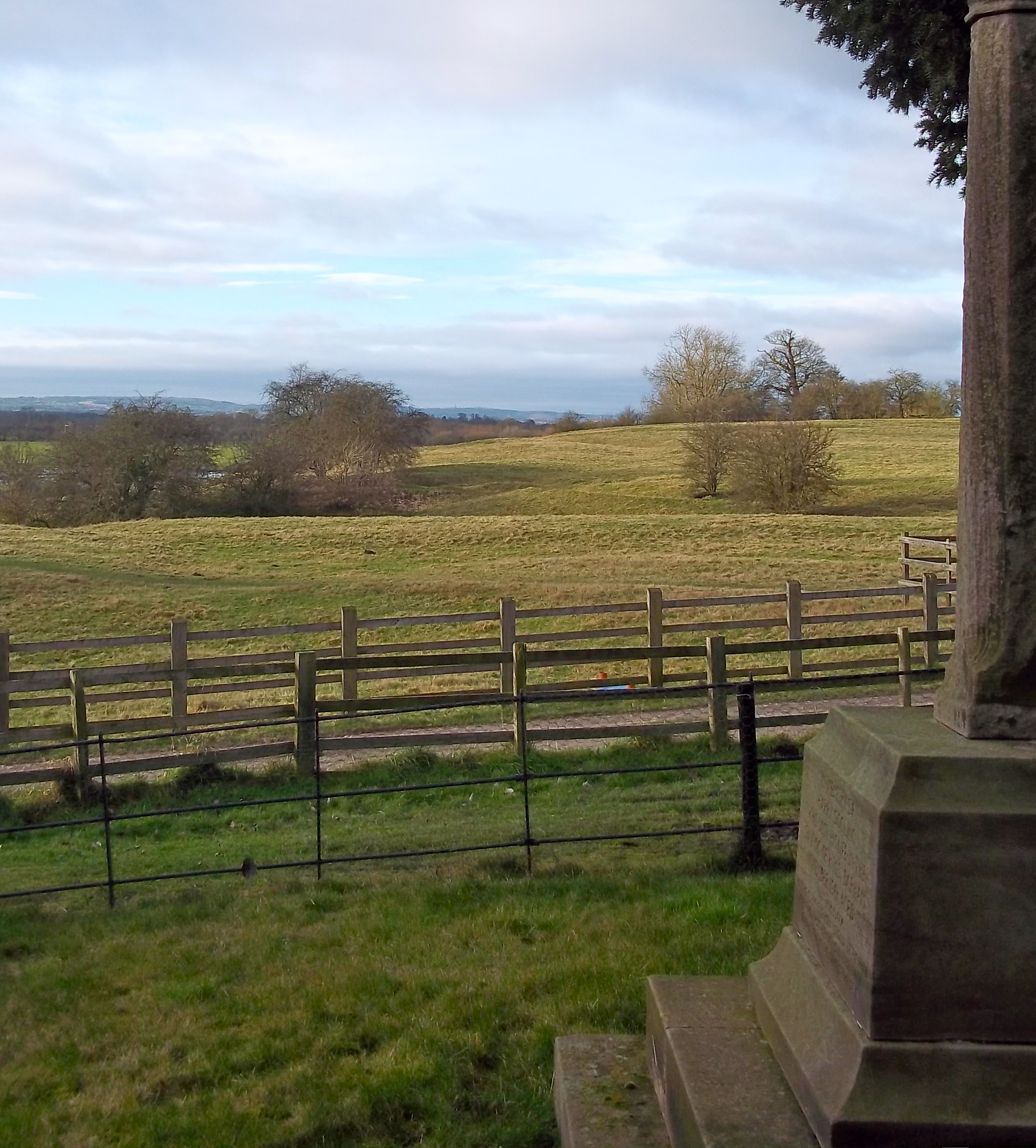
From the War Memorial in Wychnor Churchyard, over the undulations marking the site of earlier settlement, the next high ground over the valley of the River Trent is Cannock Chase. January 2013.

Standing in the shallow river with Orgreave behind you, you will see that the land rises gently, very gently away to the north.  Wychnor, to your right, even at a modest elevation of about 240 feet, provides a vantage point over this level river valley.  When, in the winter months, the river is in spate and some of the meadows are flooded, it is necessary to travel to Alrewas or Yoxall to cross the water and reach this rise in the terrain.

To your left, the hamlet of “Woodhouses” sits only slightly higher than the river bank behind Meadow Road, Yoxall, both names clearly derived from the former profile of the land.  Here, once, began the Needwood Forest, a famously beautiful sylvan landscape, of which large enough tracts remain today to form an impression of the atmosphere of the mythical dwelling place of Sir Gawain’s Green Knight –  before clearance and “enclosures”.

100_5538

Wychnor Park, in its attractive riverside setting. Not a beautiful building, in my opinion.

100_5554

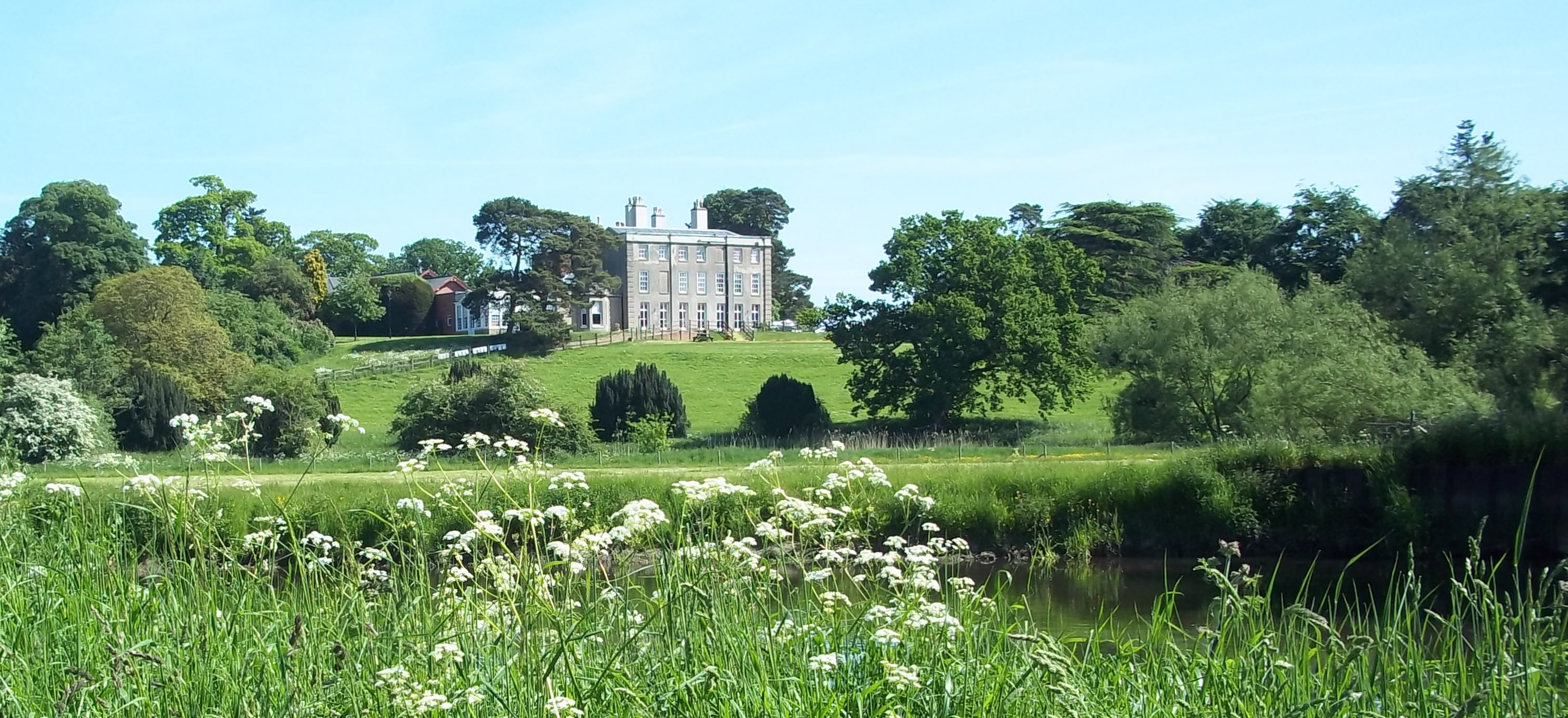
The north elevation of Orgreave Hall peeps over the meadows which divide it from the River. They are picturesque with toxic buttercup, making the pasture dangerous, but proving the wetness of the land.

When the family of Colonel Harrison, scion of wealthy industrialists, moved their numerous household from Orgreave Hall to Wychnor Park during “The Long Summer” before the outbreak of the Great War, local anecdote has it that Mrs. Harrison took off her shoes, and gathered up her skirts, and waded across the ford in the river to her new home, beside the horse-drawn carts which were bearing her chattels there.  Edith Harrison, née Gardner, was a local, Kings Bromley girl, by birth, although she spent much of her childhood in nearby Armitage. This can’t, surely, have been the first time her toes had tangled in the warm, emerald-green weed in these shallow waters.

In ordinary-length  Wellington boots, let alone fishermen’s waders, there are places where crossing the Trent by foot from Orgreave Meadows is perfectly possible in season.  Indeed, on a hot summer’s day, when a complete dip is desired, it is not an easy matter to find a spot deep enough to bathe, although I have seen this done. The cheerful, grinning oarsmen of canoes and –  excitingly, timelessly –  coracles, have also been seen to navigate past, but keeping mindfully to the sufficient depths in the middle of the river’s flow.

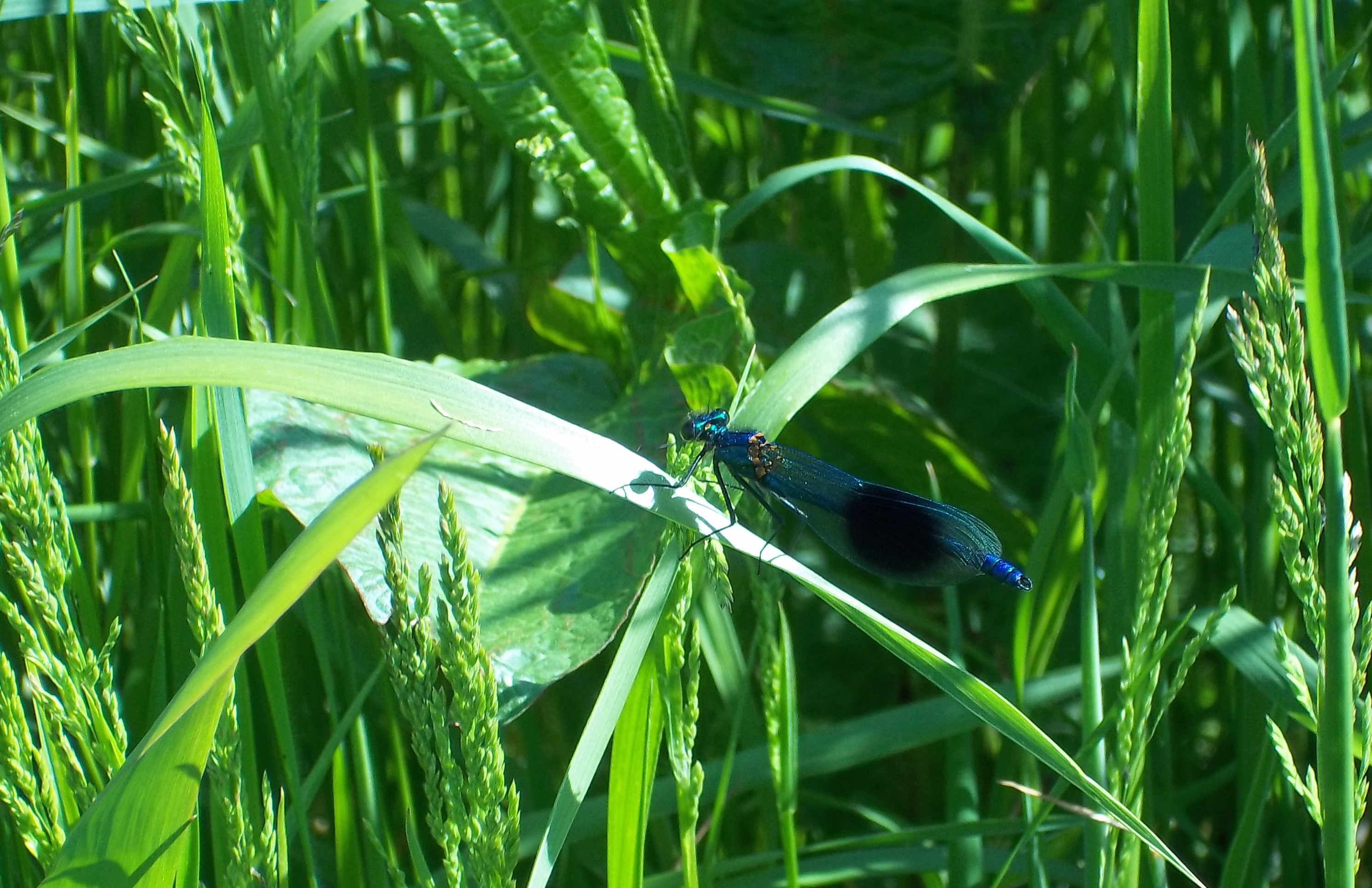
That this slight, watery, barrier was considered to be the frontier between The South and The North of England is something I often contemplate as I recline on a convenient, sloping, riparian willow trunk at a particularly picturesque curve in its course from Biddulph Moor to the Humber estuary, in the gorgeous haze of a hundred blue damselflies, hoping for a glimpse of the kingfishers.

With kind acknowledgements to Bill Hill of Hall Farm, Orgreave, for his reminiscences, and to the comprehensive and readable “A History of Alrewas,” by Norman Stubbs and Roger Hailwood.

100_5537

Damselfly in the rich foliage on the bank of the River Trent at Orgreave. June 7th, 2013.
Posted in Uncategorized | 3 Comments

It’s a Carousel

Sandwiched between an upbraiding of a less than helpful Lichfield shopkeeper and a review of The Hunt Pony Club Meet, readers of the Lichfield Mercury’s popular “Carousel” column “ – for women readers” could, in January 1967, amuse themselves with these few words about a quite objectionable-sounding child.

Many children are going to school for the first time, Susan among them.  She has firm ideas about what she’s going to do when she gets there.  She can count to over 100, knows her granny’s and aunt’s telephone numbers, can read books one to three in ITA and intends to help the teacher by not being any trouble.  Susan is self-possessed and with decided views about what teacher does.  She can put on, and button up her own coat, and never has trouble fitting her shoes to her feet.  Teacher will find her co-operative and a little advanced for her age group and I feel that there will be a clash of wills.  Teacher, I hope, will win for the sake of discipline in her class. 

Personally, I would run a mile from my five year old self here described, the opinionated little chit, as she prepares to enter the state education system at Redhouse Infants School, Aldridge, under the firm but kind authority of headmistress Mrs Bickley.  However, I detect in the writer a quiet satisfaction at the nascent independent and critical streak that her affectionate niece was already displaying.  Well she might, because I look back with gratitude at the part she played in developing it.

100_5425

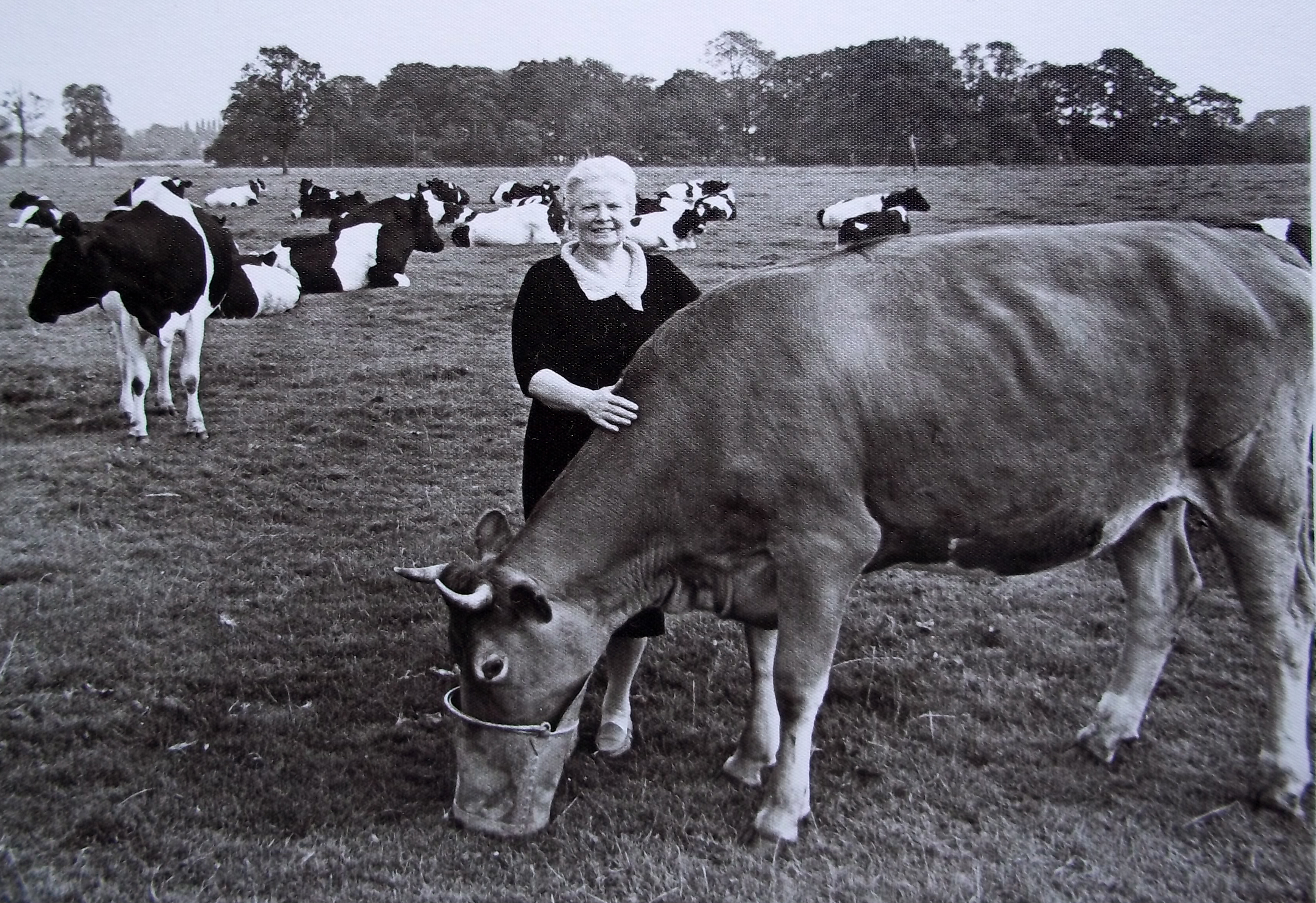
When Mary Cooper retired from writing “Carousel,” the Lichfield Mercury wrote a piece in which her identity was exposed, illustrated with this photograph of her with the dairy herd at Owletts Hall Farm.

In addition to a monthly piece about farming life in the Derbyshire Times, my aunt,  Mary Cooper wrote this weekly column in the Mercury throughout the 1960’s.  When she and my Uncle Alfred sold up at the Owletts and moved to their little Welsh hillfarm, she bequeathed the column to Mary Haynes from Lynn Lane House (subsequently the chatelaine of Hanch Hall).  Mary Haynes had a by-line in the paper, but during my aunt’s period of authorship, the pieces were written anonymously. This enabled her to be scrupulously truthful in her accounts of the conduct of the traders and service providers of the Lichfield district, who feared her opprobrium!

The activities of her husband and daughter, their cowman, Geoff, and their friends and family pop up intermittently in the columns, and there is a little thrill when I see my name mentioned, of course!  Chronicles of current affairs, particularly as they affected the Midlands housewife, are fascinating.  Snapshots of Lichfield life nearly 50 years ago sometimes seem to describe an historical period.  What I love best are neatly sketched impressions of country life in which she often refers back to the customs and practices of even earlier times.  This from 1966:

Farmers’ Wives

With the harvest getting into full swing, vast quantities of tea, pop and cider are being poured down parched throats made dry from the dust which fills the air around the combine.  Wild life suddenly loses the cover provided by the corn and is driven to sheltering in the kale fields or amongst the growing swedes and mangolds.  The fox too must take more risks now while crossing the short stubble.  Soon the first card from the South Staffordshire Hunt will be delivered telling us that cub hunting has commenced.  By then, the corn harvest will be home and some of next year’s already planted.  For those of us with dairy farms the Autumn calving has already begun and older farmers will occassionally find themselves eating “beastings custard”, a rare delicacy almost unknown today.  Does anyone, I wonder, still make thrumity?  I have only eaten it once but I remember it was made with new wheat and had been slowly cooked for days.  Another harvest memory is rabbit pie, baked in an enamel washing up bowl made of up to a dozen rabbits surrounded with “rough puff” pastry which melted in the mouth;  and huge windfall apple pies eaten cold

June 1st, 2013, would have been my Aunt Mary’s 100th birthday. 

I don’t need this anniversary to prompt reflection of just how special she was.  And she hasn’t been gone all that long.  The combination of indomitable spirit, hard work, and Welsh mountain air saw both her and my Uncle Alfred get within striking distance of their centenery before they were interred in the idyllically situated, timeless little hill top cemetery of Tai Duon, which overlooks the steeply sloping acres they cultivated during their 40 year “retirement” from farming in Shenstone.

“All of life is education. Learning at home is as important as learning at school,” says the 1960s Redhouse School prospectus to the parents of its pupils, sternly. I heartily agree with this sentiment.

My Aunt Mary gave a master-class in how to deliciously season the everyday fare of the “3Rs” provided by school lessons. When I was very young she gave me, much to my joy and my mother’s horror, a stuffed monitor lizard. She bought me my first stamp album, and started my collection off with a few examples which included some arresting relics of the Third Reich which had arrived on letters from home to her German prisoner of war on the farm. She was the first to have stood my infant self in front of the statue of the “Sleeping Children” in Lichfield Cathedral, and make me really look at it.  She taught me to churn butter, make bread, take plant cuttings, and gave me the works of Sigmund Freud to read when I was 13 years old.

100_4520

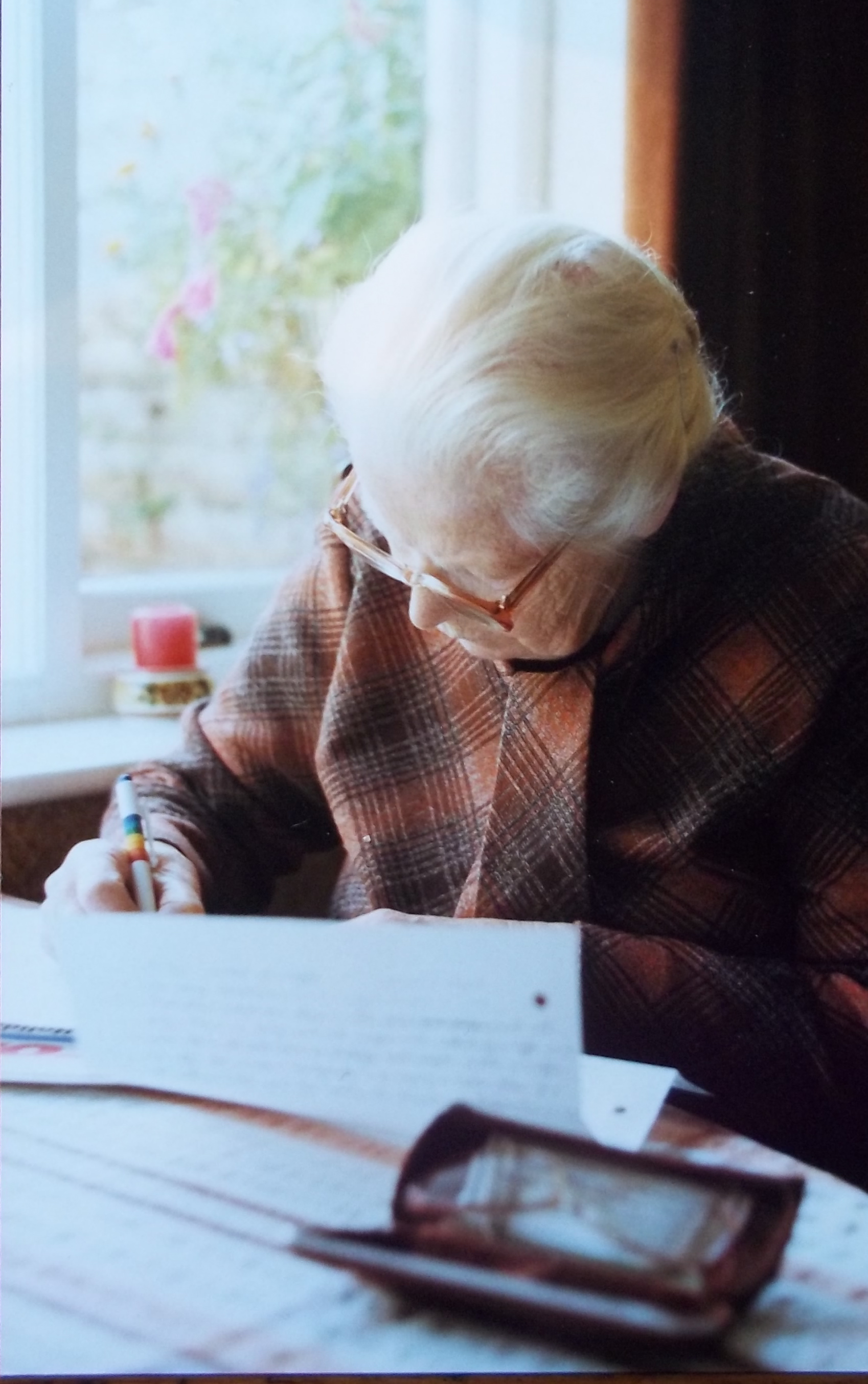
“the baby, Ted” ‘s photograph of his sister in later life, still writing.

She was delighted, and never jealous of her own daughter and I enjoying the educational advantages denied to her.  She took an excited interest in everything we ever achieved or endeavoured to do. Unsurprisingly, she had been an able pupil at her school in Walsall Wood in the 1920s, and had demonstrated the necessary aptitude for a grammar school education, but received no support or resources from the family to sustain her in her ambitions:

“School days ended immediately I became 14,” she remembered.  My grandmother gave short shrift to any suggestion that Mary should continue her education:

“…..school board man was told ” She’s 14 ! More use to me at home ” A few days before “break up” I went back to school and sat at my desk with the baby , Ted, on my lap.

” What are you here for Horton?”

” Don’t know Miss, I just wanted to come “.

” Well you’re not welcome here anymore – and that child is disrupting my class.”

Out I went into the quiet street – no children’s voices … quiet playground … quiet… everywhere quiet…. At home there were jobs for me to do. School was over for good.”

(How I love the image of my Dad, “the baby, Ted” bouncing animatedly on his big sister’s lap, an unwelcome interloper in the schoolroom.)

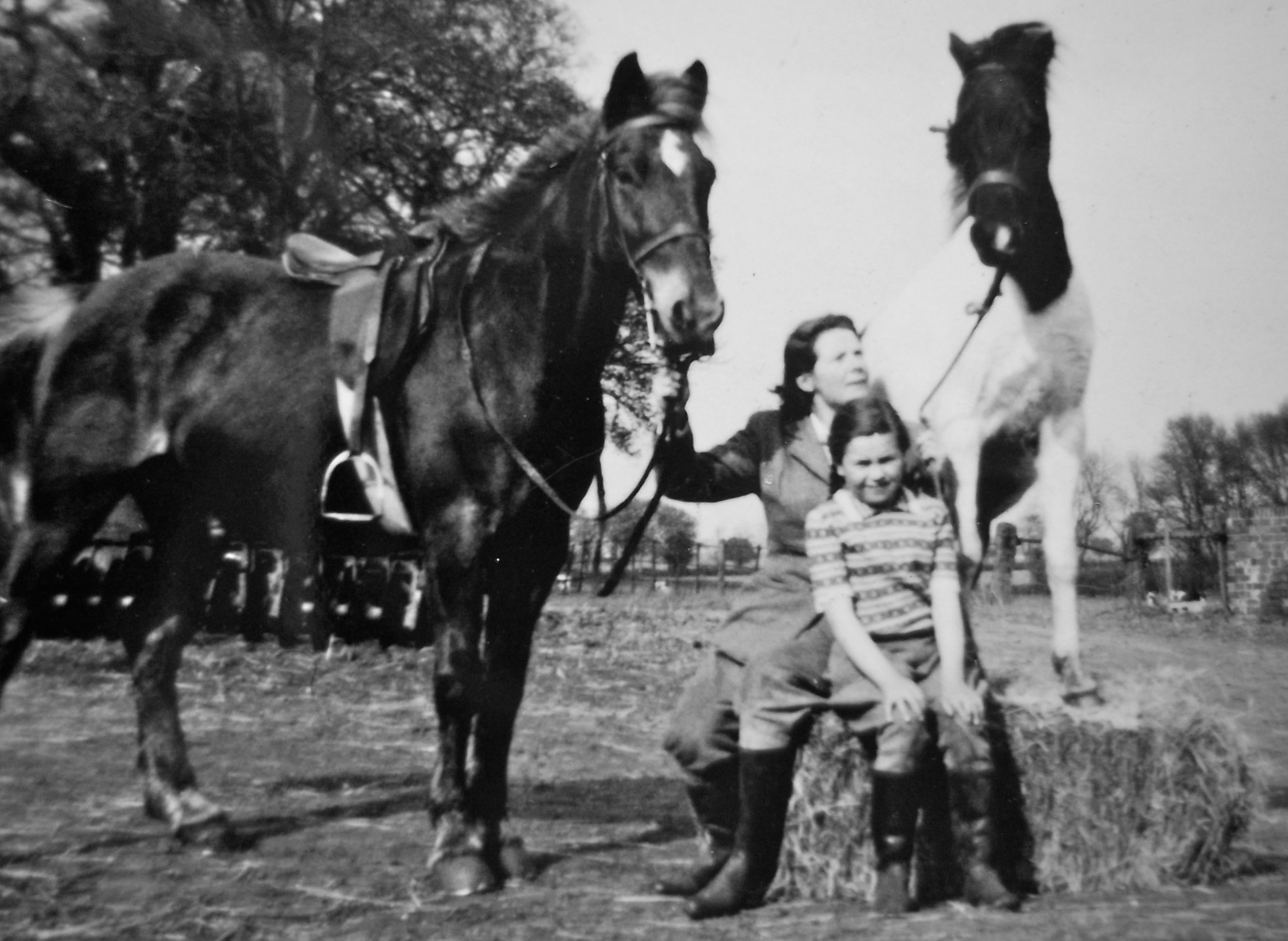
With her beloved horse and beloved daughter, and my cousin Ros's pony "Smokey Joe" at the Owletts Farm in the early 1950's.

With her beloved horse and her beloved daughter, and also my cousin Ros’s pony “Pinto” – who thought she was a Circus Pony. At the Owletts Farm in the early 1950’s.

No doubt the volume of writing she might have produced had circumstances been different would have overshadowed the modest output of newspaper and magazine articles, and informal autobiographical nots that she left us.  But her busy life as a farmer’s wife was nonetheless fulfilling and opened up opportunities for her to persue other great passions throughout her life.  At 40, she taught herself to ride and organised fund raising pony trials and gymkhanas at Owletts and elsewhere in Shenstone. In her late 80s she began to have open days of the garden she created in Wales under the National Gardens Scheme! Farmhouse homes enabled her to construct large gardens from scratch,  full of interest.

She was a collector, a creator, a counsellor and a character. It’s her laughter that I remember most.

Happy Birthday.  Never, ever, forgotten.

Ethel Mary Cooper, nee Horton.  1913-2011

Ethel Mary Cooper, nee Horton..
1913-2011

Posted in Uncategorized | 4 Comments

A long way from the seaside….thankfully

london-evacuee-train-2

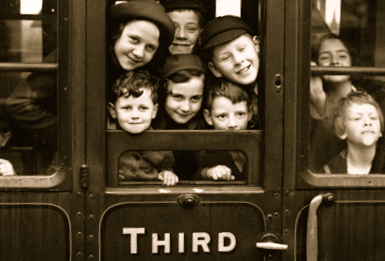
Edited image of train travelling evacuees from history.co.uk

Whatever aspect of recent social history you research it is, by the nature of things, always just in time for something, and just, tantalisingly, too late for something else. Where have you so recently vanished to, Audrey Blackford, lifelong spinster and resident of Margate, except for the two memorable years of your life spent near the village of Shenstone in Staffordshire? What have you to say about your experiences there?  Who was “Dorothy?”

It is timely that Staffordshire County Council have created their “Children on the move,” project – a book and set of educational resources to preserve the memories of those involved in war-time evacuations of young people to Staffordshire. To have any direct memories of the time at all, you now need to be well into your seventies. Colton, Hints, Burton, and Rugeley are mentioned.  Shenstone, which received two separate waves of young guests, does not yet feature.

The villagers of Shenstone were, like most of their countrymen, primed and ready for the fight against Nazi Germany in the late summer of 1939.

My Aunt Mary was a vigorous and vivacious young woman of 26, just a couple of years into her married life, and living in the Owlett’s Lodge at the end of the drive leading to the farm still occupied by her husband’s parents, before it was requisitioned to do its part for its country. Plans to evacuate children from the Midlands’ industrial heartlands, which were sure to be the enemy’s target, to the surrounding rural Shires, were very promptly put into action as war was declared on September 1st. “A train load of children from Birmingham arrived at the village station.” Aunt Mary wrote.  “Those housewives closest were able to pick their children.  I was last on the list of volunteers, and there remained three boys to be housed.  I could not refuse to have them.” They had hardly arrived back at the young Mr. and Mrs. Cooper’s nice little single-storey cottage when it was clear that the arrangement was not to the visitors’ satisfaction.

“They arrived in the dark, in a mood.  Not one wanted to be in the country.  They wanted to be back among the houses.  They did not like being away from familiar things and said they wanted to go home.  Next morning they all, including those in various homes in the village [of Shenstone] wanted home.  They all went, leaving us all wondering why did we have children from less than 18 miles away?  Those in charge of arranging such things should have realised we lived too close to Birmingham.”

One can only imagine the defiant, boot scuffing, sullen exodus back to Shenstone station down the blackberry jewelled late summer lanes, away from the unsatisfactory, rustic hospitality.

Next time, the authorities would not make the mistake of evacuating civilians such a short distance away from their homes, but for now, it hardly seemed necessary to persevere with the operation.  Christmas 1939 came and went, and new evacuees all over the country made their way back home.  Winter faded into spring and still no dramatic action seemed to be occurring in Western Europe during what came to be referred to as the “Phoney War.”

It was in May 1940 that anxiety levels rose again.  The British population listened with horror to wireless broadcasts that described how Hitler’s forces were advancing towards them across the continent.  By May 26th, Calais had fallen to Germany, and invasion seemed possible if not likely.

A hazy image of Keepers Cottage from Owletts in the 1940s

A hazy image of Keepers Cottage from Owletts in the 1940s

100_2262

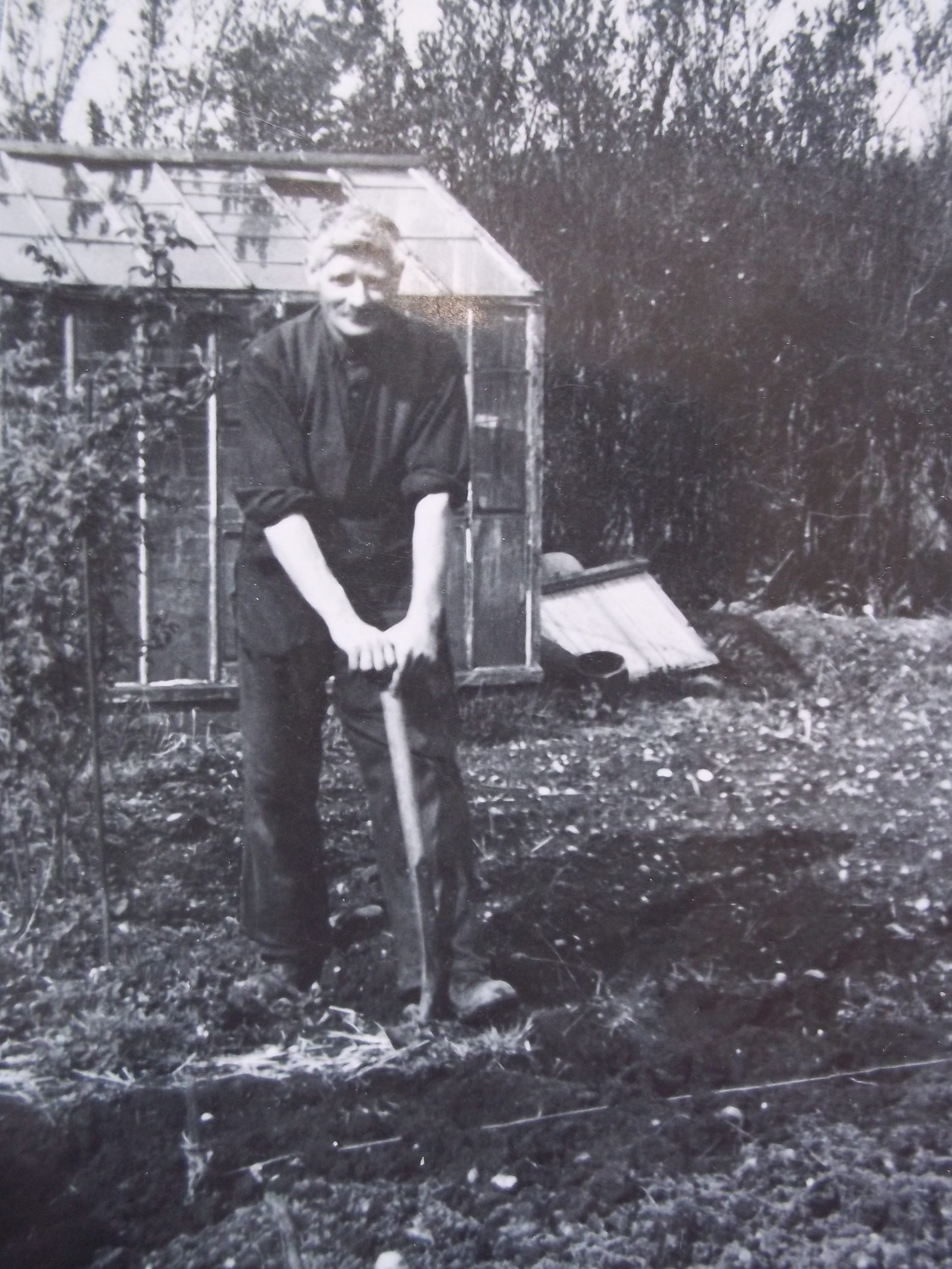
Grandad Horton cultivating vegetables at Keepers Cottage in the late 1940s, once more confident that his family would benefit from the fruits of his labours.

Across the fields from the Owletts Farm, at Keepers Cottage, on Footherly Lane, Mary Cooper’s youngest brother, Ted Horton, (my dad) was helping their father plant that spring’s chitted seed potatoes. That little vignette seemed to sum up the family’s deep connection to their little acre that was so outrageously under threat and was seared into my father’s memory.  The older man had sighed, and wondered, philosophically, whether the family would still be there on their well-worked smallholding later that year, to benefit from the crop.

On the East Kent Coast, now facing occupied territory only 22 miles across the channel, the danger from enemy action was more immediate and obvious. John Betjeman saw the vulnerability of the quintessential English seaside resort of Margate as a poignant symbol of all that was in danger of being lost. As he wrote in his poem “Margate 1940:”

 “Now dark is the terrace, a storm-battered stretch;

And I think, as the fairy-lit sights I recall,

It is those we are fighting for, foremost of all.
”

Along with about 80 other contemporaries at Trinity Junior School in Margate, young Audrey Thelma Bessie Blackford made the journey north, and about as far inland as you could get, to the rural villages around Lichfield in Staffordshire on June 2nd 1940. It was thought such a significant influx of people that the local newspaper, Lichfield Mercury began a special “News from Margate” column to keep the evacuees in touch with events in their home town.  The billet officer’s record, part of a small bundle stored at the Lichfield Record Office details Audrey’s placement with the Cooper family, Owletts Lodge, Shenstone, too far from her home at number 7, Crescent Road, Margate, for her to return on a whim should the accommodation not prove to her liking. Luckily, the arrangement was a happy one, and Audrey stayed in friendly communication with her host family for seven decades after she returned home to Margate.  A worrying silence has only recently fallen.

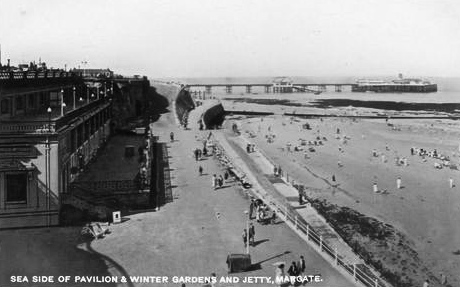
$T2eC16FHJGgFFme5(Y-BBRiW(tpqO!~~60_12As Audrey and her little brother Alan parted from their anxious mother in Margate, the little town prepared to receive a great many arrivals. Of the third of a million troops evacuated from Dunkirk and its beaches that very week, over 46,000  reached land with relief at Margate jetty.  They were given tea and consoling conversation in the Winter Gardens, only a very short stroll around the bay from Crescent Road.  These despondent hoards must have been an alarming and depressing sight for the Blackford family.

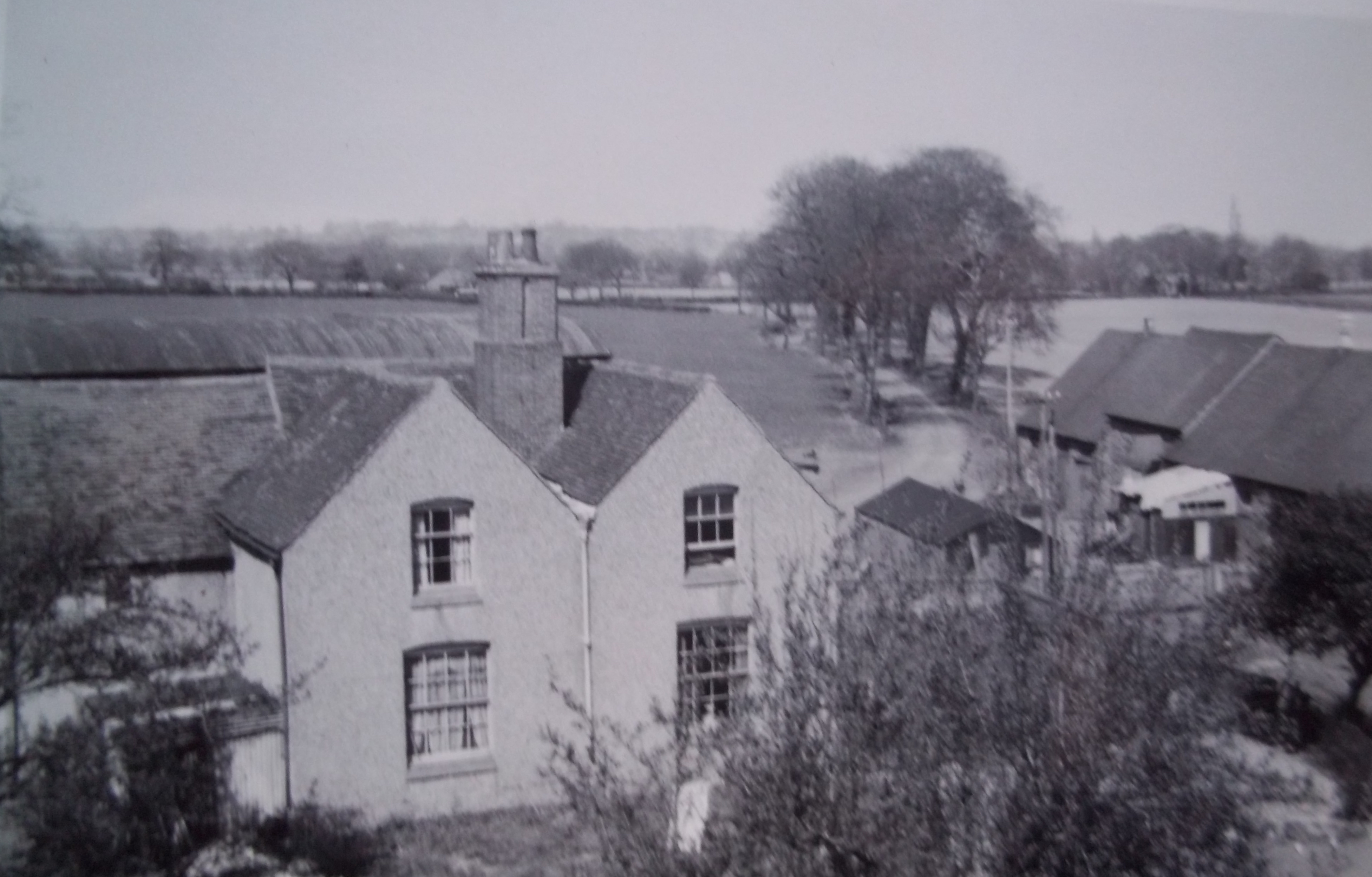
View of Owletts Hall Farm in the 1940s, down the tree lined drive to the Lodge on Lynn Lane. How did my dad take this photo?

View of Owletts Hall Farm in the 1940s, down the tree lined drive to the Lodge on Lynn Lane. How did my dad take this photo?

Aunt Mary’s 27th birthday had fallen on Saturday June 1st 1940, but it is unlikely that the routine of a busy farmer’s wife had been interrupted for any celebrations.  Neither was Sunday 2nd a day of rest, as she tripped down Lynn Lane onto the station platform once more, willing and ready to receive her young guests, but no doubt apprehensive about who might be billeted upon her this time. Initial indications were good:

“The next arrivals at the village station were from a different world, chatty, friendly and prepared. My allocation: two nice girls about 12 and a half years. They quickly established their priorities… Audrey the door side of the bed. “

It soon became clear that the two girls had differing  attitudes to life in the one spare bedroom the Coopers had in the little Lodge.

“Audrey was very interested in everything, quickly settled into country life. Dorothy at first appeared to be shy.”

Whilst boys might be more useful when there were heavy chores to be undertaken, it was generally accepted that girls were favoured as likely to be less intrusive and more biddable guests in the home.  Sadly, this was not the case with Dorothy:

“….she wanted everything done for her and hung about, showing not the slightest interest in her surroundings. Dorothy was a problem; she preferred to walk the mile into the village to stay with her other friends. After a few weeks her mother came over from Margate and was none too pleased when I could not put her up and she had to find someone with a spare room in the village. She returned to our cottage and said she was taking her daughter to live in the village.”

Tiresomely, it looked like the dissatisfaction was spreading:

 “Next day I had a telegram from Audrey’s Mum saying she was coming up to see her children. Audrey had a brother someone else had taken  – he was 7. Mrs. Blackford was a plump dark haired motherly kind of woman, about 5 ‘6″ tall. [Back at the station] Mother and daughter greeted each other, and a smiling Audrey introduced us:

‘ Mum this is Mrs. C. ‘

We looked at each other and shook hands. The serious look disappeared; she began to smile, as we began the mile long walk to our cottage, a pleasant little house.

Mrs. Blackford sat down and was soon drinking a cup of tea. Her reason for the unexpected visit had been provided by Dorothy’s mother by telegram ” Mrs. Cooper is not the woman we thought she was. “… ” No. Her daughter did not fit in. Audrey will tell you that.”

Husband and I spent 3 most uncomfortable nights on a makeshift bed in the scullery giving up our bed to Mrs. Blackford, who stayed on to have her son transferred to live with his sister… aware that her daughter did have a very good billet indeed…. plenty of eggs and well away from the bombers targets. She went back to Margate knowing her children were safe and cared for.”

As far as was possible, yes.  But Shenstone was not immune to the effects of war:

“One night “our” searchlight [In the Owlett’s Orchard] caught a bomber on its way to Birmingham, followed him across the sky knowing that guns were trained on the bombers. Unfortunately another German bomber came up behind, dropped the bomb near the searchlight, putting them out.  We heard the bomb falling. It makes a peculiar sound, which gets louder until stopped by contact with the earth. A second’s silence then an almighty bang and blast which shook the cottage. Plaster began to fall but we could not put a light on to see the damage. There was a funny moment when Audrey said  ” The buggers have followed us here !!!!”. Next morning in the full light of day nothing was quite as bad as expected, we had just lost internal plaster. The big barn down at the farm was twisted, many of the corrugated sheets hung from the frame. The bomb had dropped about 300 yards from farm and searchlight creating a deep hole. It had landed on a very thick cable which carried the power to the searchlight. That was back in service by the time night came.

The bomber was stopped before it reached its target, the pilot bailed out.

The camp Naafi was partly wrecked and the soldiers took care of bottles of beer, sweets cigarettes etc. that managed to escape! One young soldier a new recruit from Erdington lost an arm and was invalided out of the army almost before he began.”

100_2316

My mom and dad fooling in the Dutch barn at Owletts, just after the war, captured by Aunt Mary. Happy days after its traumatic night when the bomb dropped.

Posted in Uncategorized | 8 Comments

“Spite Hill”

100_4876

Maryvale Court, Glebe Street, Caldmore.

Maryvale Court, Glebe Street, Caldmore.

Nipping through the bleeping, security protected doors of Maryvale Court, in Glebe Street, Caldmore, I regularly hurry past this inscribed foundation stone, always eager to see my Aunty Kathleen, who resides within, to reassure myself about the state of her health, and, of course, ask her some more about The Old Days.

The man who not only laid, but blessed this stone, Bishop Joseph Francis Cleary,  is just one of the very numerous Irish, Catholic immigrants who have walked this steep Staffordshire street in the last two hundred years. Kathleen and I share several of them as ancestors.  Our family included Egans and Noons, from the West of Ireland, who migrated in the hope of fleeing from poverty, and were not by any means as illustrious as Joseph Francis Cleary.  Trained at Oscott, he served as a parish priest in Wolverhampton. In 1965, the Catholic Herald described a splendid ceremony at St Chad’s Catholic Cathedral in Birmingham at his ordination as bishop, witnessed by his proud mother, who had made the long journey from their native Dublin for the occasion.  No episcopal seat being vacant which Joseph might occupy, he was made an auxiliary Bishop of Birmingham, and consecrated Bishop of Cresima – a titular bishopric of an area in modern Tunisia, with a congregation of negligible number, and deemed by the Catholic church to be “in the regions of the infidels.”  – more so than Birmingham, at any rate.

The marriage certificate of Elsie May Day and Edward Sheldon, joined in what was to be devoted matrimony by Father Yeo.

The marriage certificate of Elsie May Day and Edward Sheldon, joined in what was to be 39 years of devoted matrimony by Canon Yeo.

The ground to build this sheltered housing complex, with elderly members of the Catholic community of Walsall in mind, was secured by Canon Peter Taylor during the 1970s.  The mysterious, sizeable, solid,  man-made mound of soil rising up towards the east of the empty site did not deter him in the slightest from his choice. After all, it is a convenient short stroll from the beautiful Romanesque edifice which is St Mary’s the Mount Catholic Church and its presbytery. Many of the future residents of Maryvale would have attended services there throughout their lives.  Some might well have been educated at the school which used to stand on the steep slope to its rear.  My grandparents had moved to Bentley from the Sheldon family home in Queen Street when their children began to arrive and so for my mother, her sisters, and brother, devotion and education took place in the neighbouring Catholic parish of St Patrick’s. However their parents, my staunchly Catholic grandfather, Edward Sheldon, and his biddable and sweet natured bride, Elsie May Day, had been married within the sumptuous azure and gold  interior of St Mary’s on the 23rd of March 1924. As a boy in the 1900’s my grandfather had attended school at St Mary’s with his friend John Carless, V.C., whose delightful niece lives opposite my Aunty at Maryvale.

100_4877

St Mary the Mount Roman Catholic Church, Walsall. April 2013.

This pleasing building is one of the earliest post-Reformation Roman Catholic churches in the country: designed by Joseph Ireland, it was completed in 1827, which is, notably, 2 years before the Catholic Emancipation Act which removed civil restrictions on Roman Catholics in Britain, including those against purchasing land. Perhaps its early arrival was a result of keen demand in the area: in addition to the English Catholics who had stubbornly persisted in practicing their outlawed faith covertly, there began, in the 19th century, the influx of Irish migrants, who brought their religious practices with them. Perceptibly “foreign”, sometimes shabbily dressed, they were drawn in number to the church services whose Latin words were exactly those they had learnt by heart from infancy, as much from homesickness as faith. Even in recent years, my Aunty tells me, that the concerned Irish Mammy of a fugitive son would contact, by numerous, falteringly penned letters, the Catholic churches in the area she suspected he was working.  It was inevitable that however delinquent, he would be drawn into them at some point to hear the comfortingly familiar liturgy.

“Spite Hill” as it is still known to local people. April 2013.

What, then, became of the longstanding, large lump of earth and stones on the Church’s newly acquired building plot on the corner of Glebe Street and Caldmore Road? The architects seem to have worked the building around it, and it is incorporated into the communal garden at the heart of Maryvale Court.

A seat in the sunny conservatory affords a good view of the mound, and it is topped, like a bun with a pious cherry, by a statue of the Virgin Mary.  Is it in my imagination, or might Our Lady have a Mona Lisa hint of a satisfied smile playing about her prayerful lips?

100_4886

The history of an area, even when its old buildings are gone, can often be traced by reference to the enduring names of its streets.  “Mount Street,” running parallel with “Glebe Street” might seem self explanatory as this end of Caldmore is indeed on an elevated bit of terrain.  But why is the church called “St Mary the Mount” – perhaps because The Mount was situated alongside what is now Wednesbury Road but north of Glebe Street, and was a large house, used for many years as a boarding school run by the ladies of the Richmond family, and which the Walsall Hospital Committee – galvanised by Sister Dora, purchased in 1867 to serve as Walsall’s first proper hospital.

100_5074

Beautiful, kind, Sister Edith and her team, now care for Maryvale Court on the former site of Walsall Vicarage. Their order of nuns was founded by Bishop Godfrey Okoye in 1969 in Nigeria, in response to the need to help a population ravaged by the Nigeria-Biafra war. They must sometimes feel a long way from home in Walsall, apart from the worldwide connection of their faith.

The “Glebe” of Glebe Street indicates that lands hereabouts were allocated to the Anglican parish priest of St Matthews to provide his income.   “Vicarage Place,” and “Vicarage Walk”, slicing between Maryvale and St Mary’s, reveal exactly what used to stand at the Caldmore Road end of Glebe Street.  In fact, the 1901 Ordnance Survey map reveals that the portion of Caldmore Road north of Glebe Street was then called “Vicarage Road.” Scrutinising the ground plan, it is possible to make out that when enjoying a comfortable seat in Maryvale’s conservatory you might be sitting in the very spot where the Vicar’s bow-windowed parlour jutted into his ferny garden.

It seems that even prior to taking up his appointment in the 1830’s, and having to move in his family and servants, cheek by jowl with the Papists of the district, the Reverend George Fisk was known as a “firebrand” preacher, whose enlivening sermons, drawing huge congregations,  often contained lengthy anti-Roman diatribes.  His clashes with Father Francis Martyn, the first priest at St Mary’s were even played out in the local press. In the Staffordshire Advertiser of 16th June 1838, Father Martyn accuses the Reverend Fisk of describing a Catholic Chapel as enchanted ground, under the spell of Satan, whilst Reverend Fisk suggests that Father Martyn has attempted to earn respect amongst unsuspecting and generous Protestants….by your urbanity and courtesy. A fearful thought, indeed, that seductive continental wiles might tempt the denizens of the town from their joyless low church paths. What would Dr. Fisk make, I wonder, of the smiling, darkly handsome new occupants of the presbytery in 2013, Father Salvatore, and his Italian brethren?

How then could George Fisk bear to view the procession of the faithful to Father Martyn’s masses, in plain sight of his window?  And what could he do about it but build an extraordinarily large garden rockery in the Vicarage grounds, to provide him with a more pleasing panorama?

So when, on September 8th, 1982, the Right Reverend Joseph Cleary laid the foundation stone to Maryvale Court, “Spite Hill” was as yet unobscured by the new building. Those in the know at the ceremony undoubtedly allowed themselves a victorious chuckle at the expense of the Reverend Fisk, and vowed to preserve, for posterity, the little mount of The Mount, “Spite Hill”

POST SCRIPT.
Without the inscription, what casual observer would remember anything of the events of September 8th 1982?  Well I would, because it was my 21st birthday, which I celebrated at le restaurant “L’Auchel”, above a bicycle shop in Walsall Wood Road,  Aldridge.
Posted in Uncategorized | 6 Comments

Children and animals in the street

100_4853

Between the two World Wars, the soundscape of the roads in most small provincial towns, such as Walsall Wood, in South Staffordshire, altered radically and irrevocably as vehicles powered by the internal combustion engine were introduced, and animals – of all sorts – everyday traffic, or beasts driven to market or slaughter – were seen less frequently in the street.

But in the earlier part of the period, human voices could be heard over the rhythmical striking of horses’ hooves on a rutted surface of pulverised stone or cobbles.   The metal-rimmed wheels of horse-drawn vehicles sang along the streets, augmented by the whirr and ring-ring of bicycles.  Steam engines were occasionally seen. The effect at a busy junction could be noisy.  Around 1920, where several thoroughfares met at “the Vigo” it certainly was.  My Aunt Mary remembered measures being taken to dampen down the clatter during her brother’s illness, and what a contrast the quiet time was to the usual cacophony:  Little George was suffering from

……double pneumonia. I had to watch him one evening, [I] remember his eyes turned up under his eyelids, only a tiny bit of blue showing. For days there had been thick straw across the road and everybody coming to the house speaking in whispers. Somebody said ” He’s going to die ” Everywhere was so quiet – more frightening to me than the words I heard. As you know, he didn’t die……

But Walsall Wood streets were not too busy for playing children to be able to inhabit them.  Even when draught horses were commonplace, there were certain circumstances in which they were a spectacle for young Mary Horton and her playmates:

I saw a hearse pulled by horses wearing purple ear covers and I think purple ribbons on the harness. The hearse was followed by the mourner in a purple veil and a purple scarf round one shoulder and across her body and tied, with some of it hanging. She cried so loudly us children felt like bawling too. Behind her came the people dressed in black, the ladies wearing black veils. After they’d passed out of view, I remember we sat down in the gutter covering our bare feet with the warm dry dirt… must have been a hot day……


Not all the children of Walsall Wood were allowed to lark unsupervised in the dusty gutter with their friends, and not all draught animals were horses: “When I was three or four,” my Aunt Mary began an anecdote in her hand-written memoirs, ( meaning that this memorable incident took place towards the end of the first World War):

tumblr_lvpcijGPXR1qbxdq1o1_1280

From “goatcarts.tumblir.com”

I remember a lucky small child coming down our road in a small dogcart, pulled by a goat, their nanny holding the reins, walking behind


The streets that surrounded the family home at the top of Aldridge Road circumscribed Mary’s early experiences. Even the short journey on foot to and from school could be eventful:

I remember I had to come home at dinner time to have mostly bread and jam, or what I particularly liked: condensed milk on bread. Going back to school one day I saw a man whipping his two mules supposed to be pulling a long cart. I shouted at him ” Mister – don’t hit them horses…”. He stopped, cracked the whip in front of me, spat on the horses leg and shouted ” Bugger off ta school or I’ll cut yow across th’arse wi it !- Goo on ” I went – running as fast as my little legs could take me


The local sweet-shop was a cornucopia of delicious confectionary, but frightening sights lurked upstairs:

 Across the road from school was Suranne’s little sweet shop. All sorts of mouth-watering sweets were in small boxes with price tickets on. Liquorish Laces were 3 for 1d., birds nest with 3 eggs a penny, gob stoppers a halfpenny, sherbet suckers a halfpenny with a liquorish “straw” in the corner of the sucker bag 1d. “Sucky” fish 3 for a halfpenny, sucky pigs and mice 1d. Chocolate bars a halfpenny, penny or three ha’pence according to size.

One day when Suranne’s mother was ill (Suranne was mother’s cousin) my mother said I was to go in after school…. remember being taken upstairs into a room with curtains half closed. There were lots of people standing about – and a large bed in the middle of the room – in it lay the oldest, wrinkliest, most frightening old woman I had ever seen. Always before I had just heard her voice…” Suranne !.. Suranne!..” ” Coming Mother….” Suranne answered, but still attending to our wants, until once again the voice came ” Suranne!!!!”

She lay there propped up on the pillows. I peered at her through the slats on the bottom of the bed. Her eyes saw me – fastened onto me – ” Suranne, is that Mary?” I was so terrified I ran down the stairs and out into the road and ran all the way home.

By now, quite an elderly person herself – though she never really seemed it – Aunt Mary wrote, apologetically “Thinking of it now, the poor old thing must have been near to death.”

Mary left Walsall Wood school on her 14th birthday, in 1927, and so we can date the following, most exotic  of her childhood animal encounters quite accurately:


Soon after I left school – in the November – Brownhills Wake was on, and there was a menagerie. Four chained elephants stood in a row, one put its trunk out so I gave it a sweet, then another, and another, til I only had two left. I walked away, but the elephant had other ideas, she wrapped her trunk around my waist and I couldn’t feel the floor I yelled”Mister !… Look what it’s doing !!!”… “Don’t be frightened.. give her your sweet bag ” I did. …and she put me down. Her name was Margaret and she often caught people like that ………


The tours of Bostock and Wombwell’s menagerie had been interrupted by the Great War, but the Tamworth Herald records its appearance back in the Midlands in 1925, and in 1930, and so I am tempted to assume that alarmingly sweet toothed and playful “Margaret” was one of the stars of their entertainments.

The appearance of a travelling menagerie, a fair, a circus, contests of athleticism, sparrow shooting and pigeon racing and the relaxation of licencing laws are all documented in the local press as events to look forward to at “Wakes Week,” although the Lichfield Mercury, with disparaging tone, refers to all this as “the usual paraphenalia” being assembled near the Hussey Arms. Consultation of the local press in the first decades of the 20th century also confirms the traditional occasion of the Brownhills “Wakes”, (a gathering or fair) in November – unusual amongst the survivals or revivals of these ancient festivals in the North of England, and suggests that it pre-dates the mass holidays which have co-incided with annual closures in mining and manufacturing communities since the Industrial Revolution. As Brownhills only came into existance as a significant centre of population in the 19th century, the Wakes must have evolved in one of its older neighbours – Ogley Hay, perhaps, or Pelsall.

Brian Stringer, “The Clayhanger Kid” remembers the pit ponies coming up for a week or two in August during the miners’ holidays, consistent with many mining areas.  Margaret Brice, in her “Short History of Walsall Wood,” records the pleasingly alliterative Walsall Wood Wakes Week as the last week in October/first week in November, but relates that this particular custom ended in 1913, the year Aunt Mary was born.


Posted in Uncategorized | 17 Comments